Daikoku · Hakone · Ebisu · Fuji · Mt. Akina · Tsukuba

Tokyo JDM Tours

An independent reference for visitors planning Japan's car-culture experiences — bay-front night meets, the Hakone touge, Ebisu drift taxi, Fuji Speedway, Initial D and MF Ghost pilgrimage, and the rentals that put you in an R34 for the day.

FRI/SAT peak Daikoku 23+ typical self-drive age IDP Geneva 1949 required ¥38k shared night-meet tour Apr · Oct peak season
29Experiences profiled
6Experience formats
35–45 minTokyo → Daikoku PA
90 minTokyo → Hakone Turnpike
3.5 hrTokyo → Ebisu Circuit
from $79Passenger meet tour
from $350R34 GT-R 10-hr rental
Destination Overview

What is Tokyo JDM tourism?

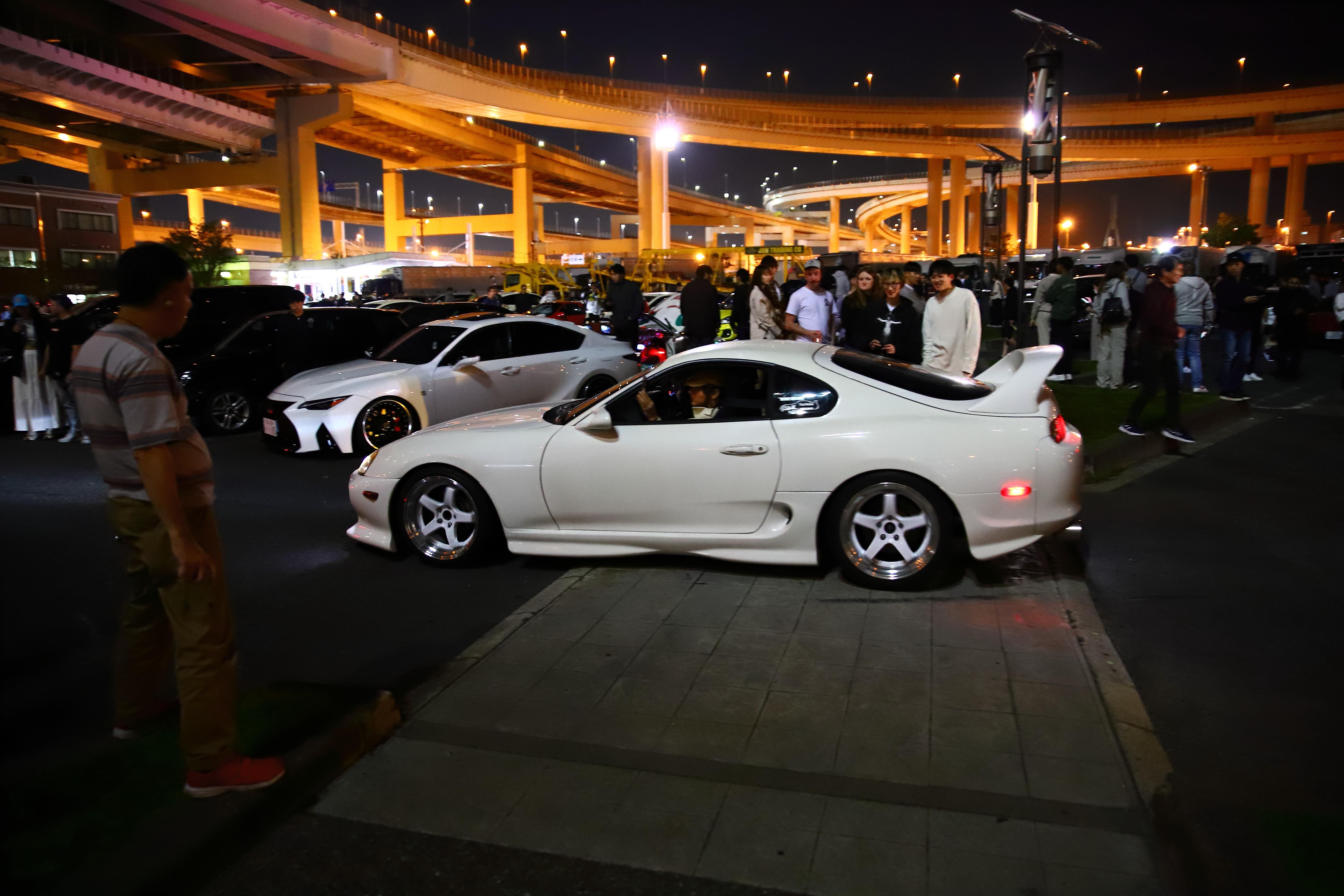
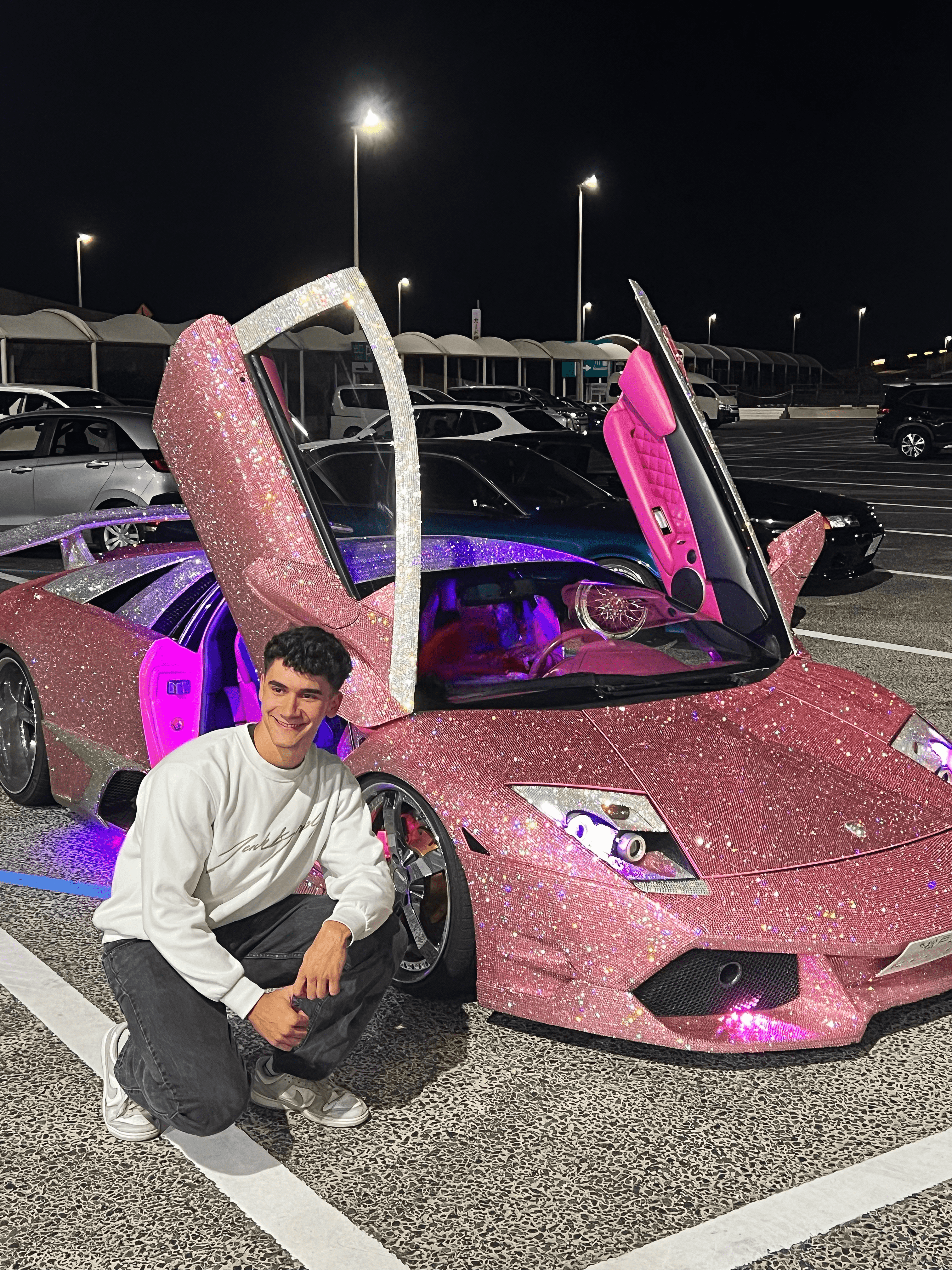
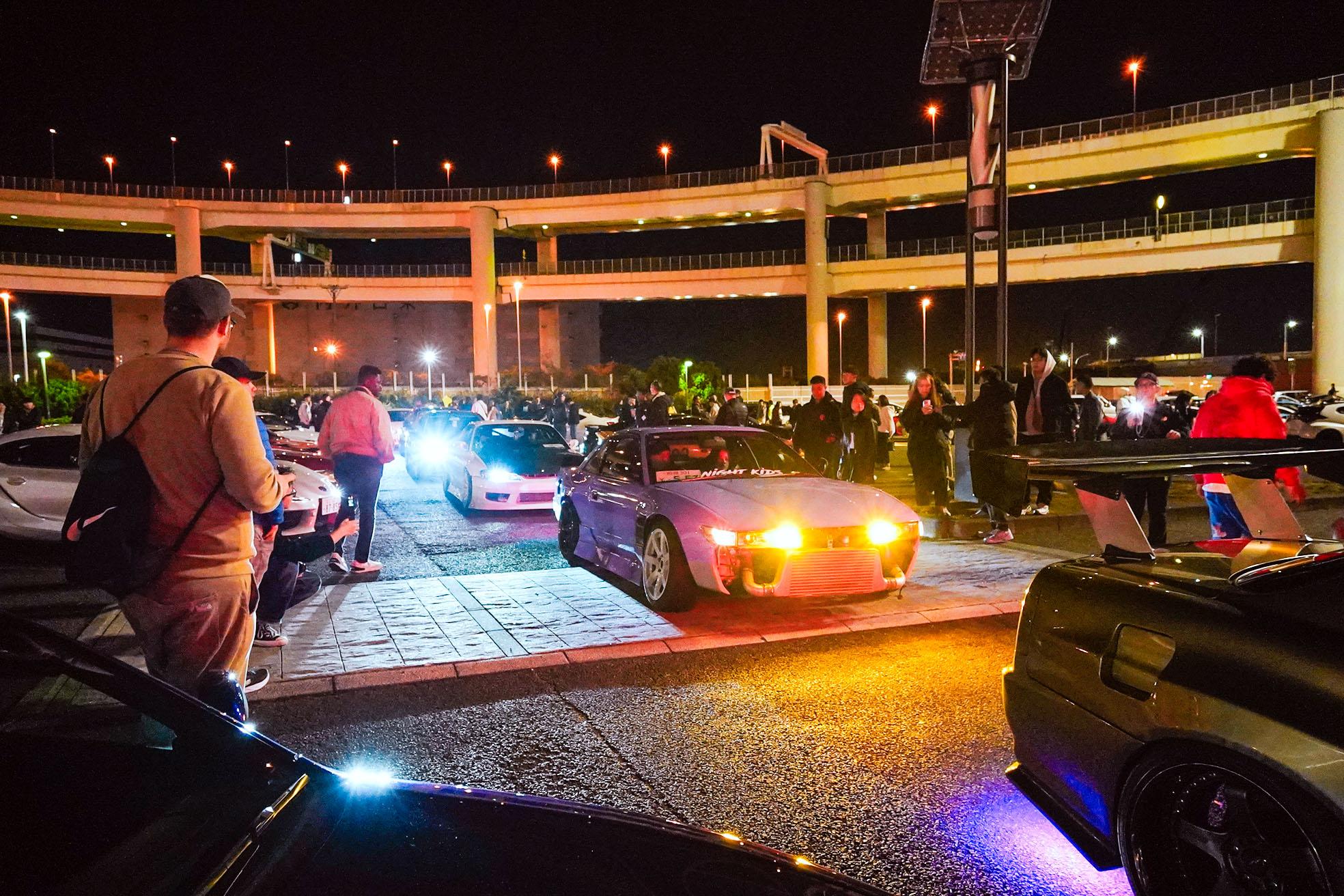
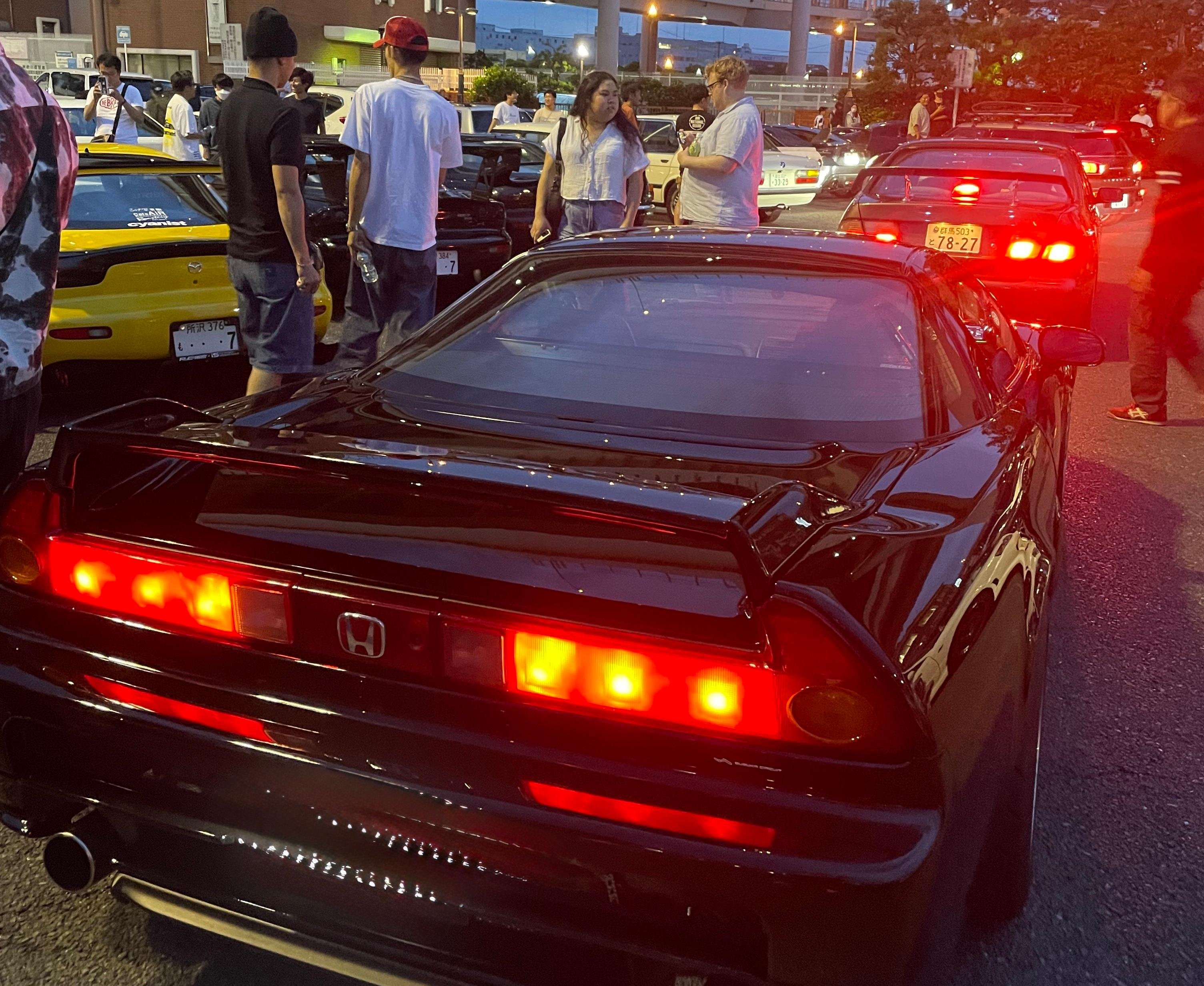
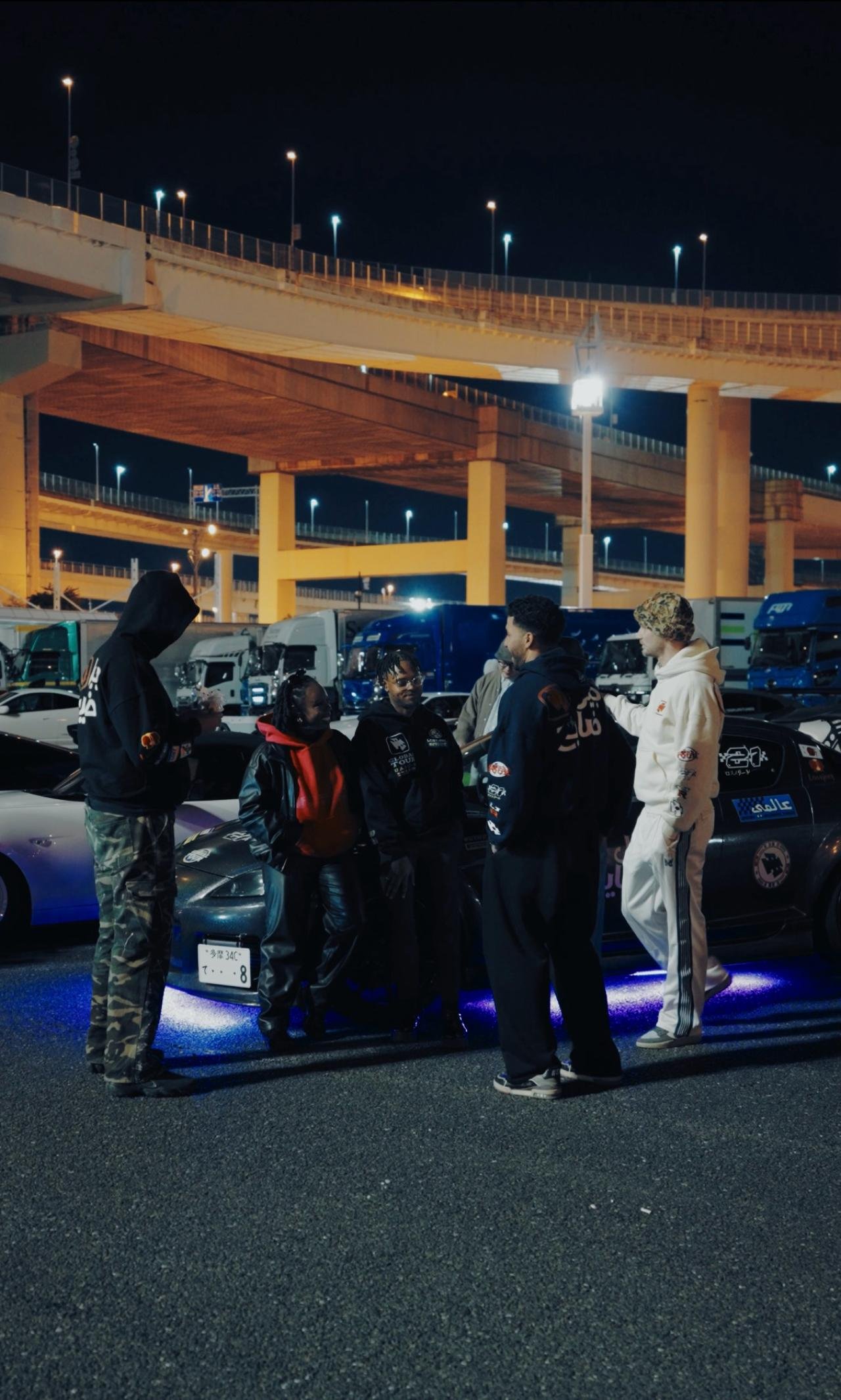
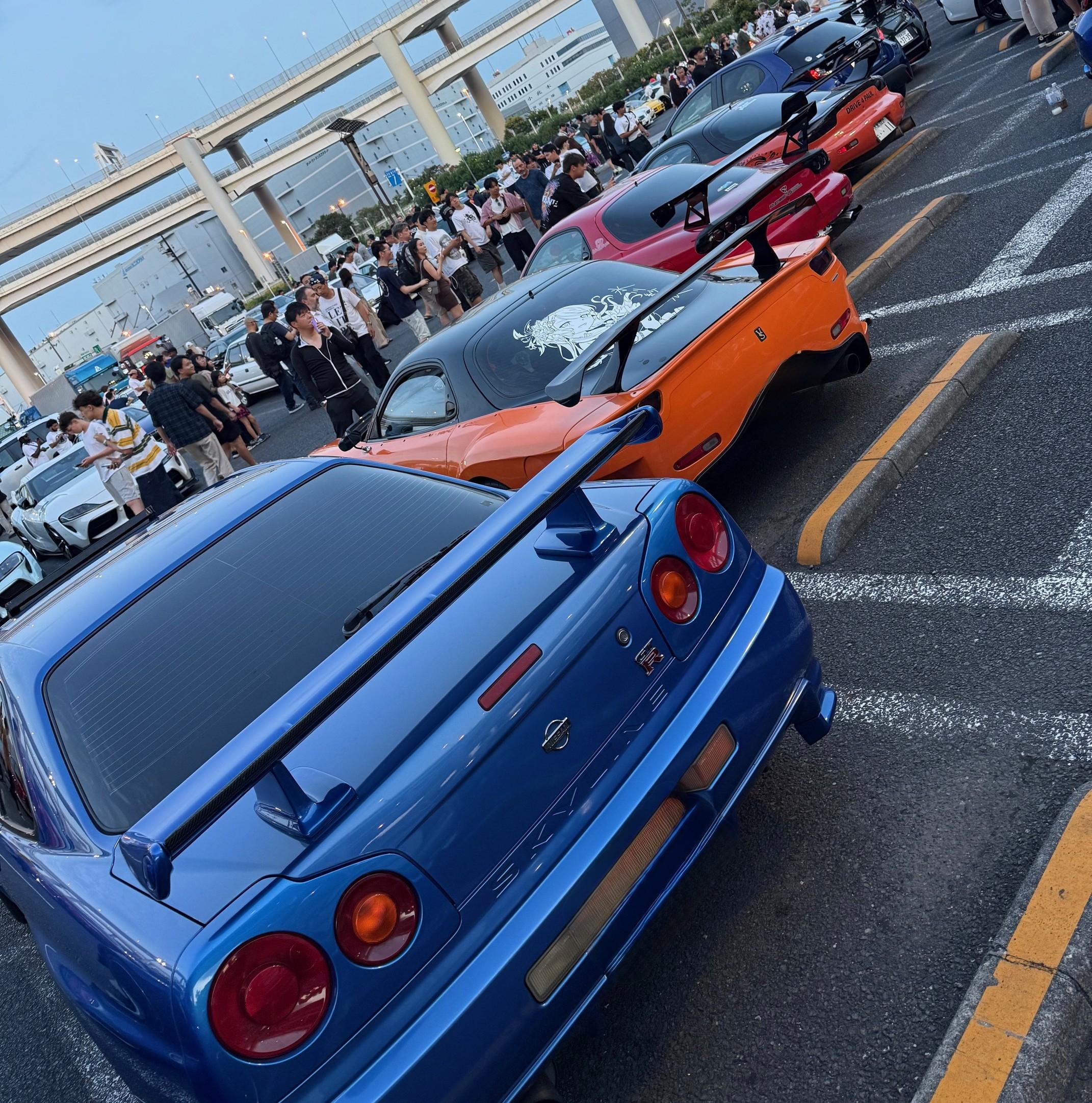
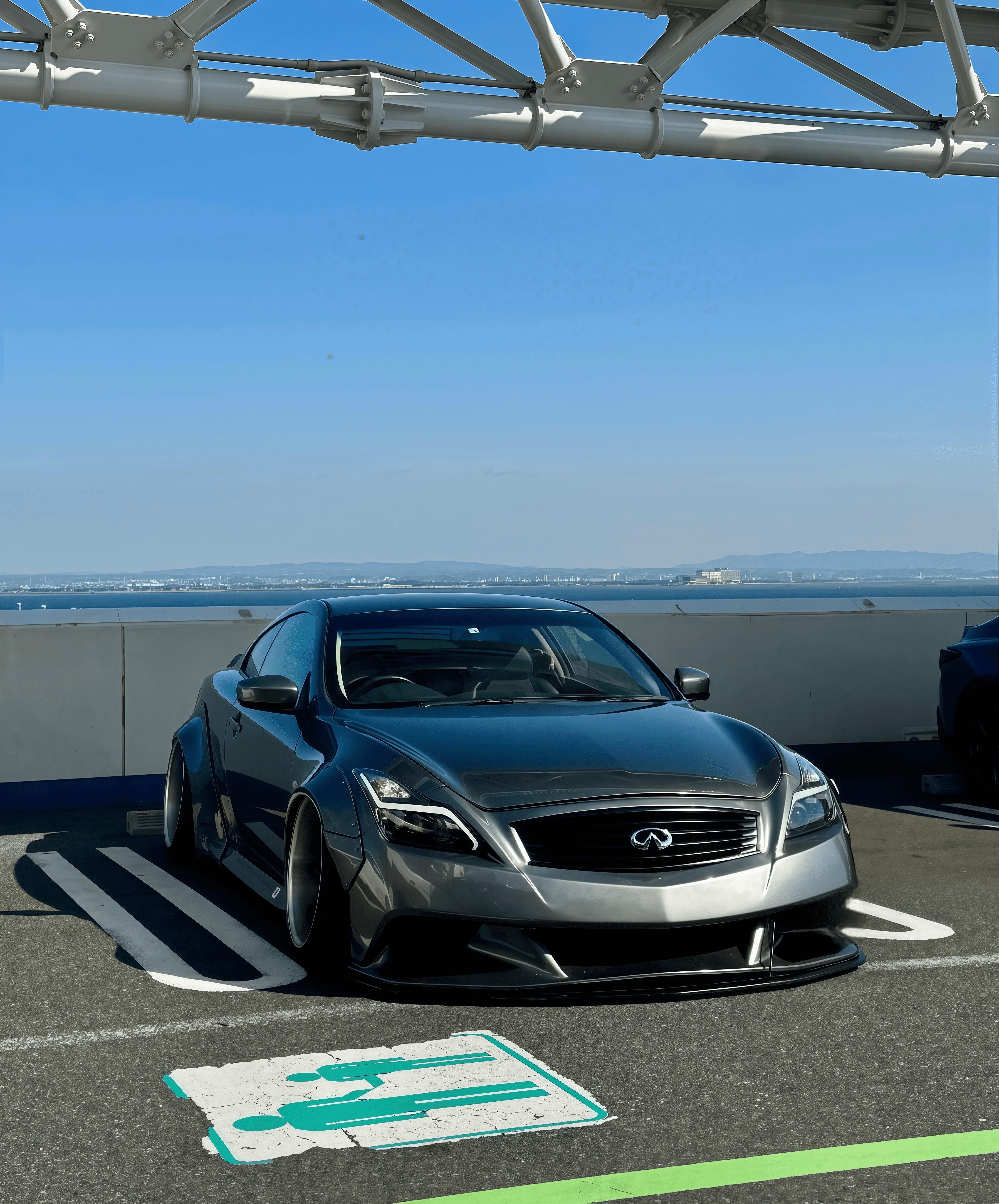
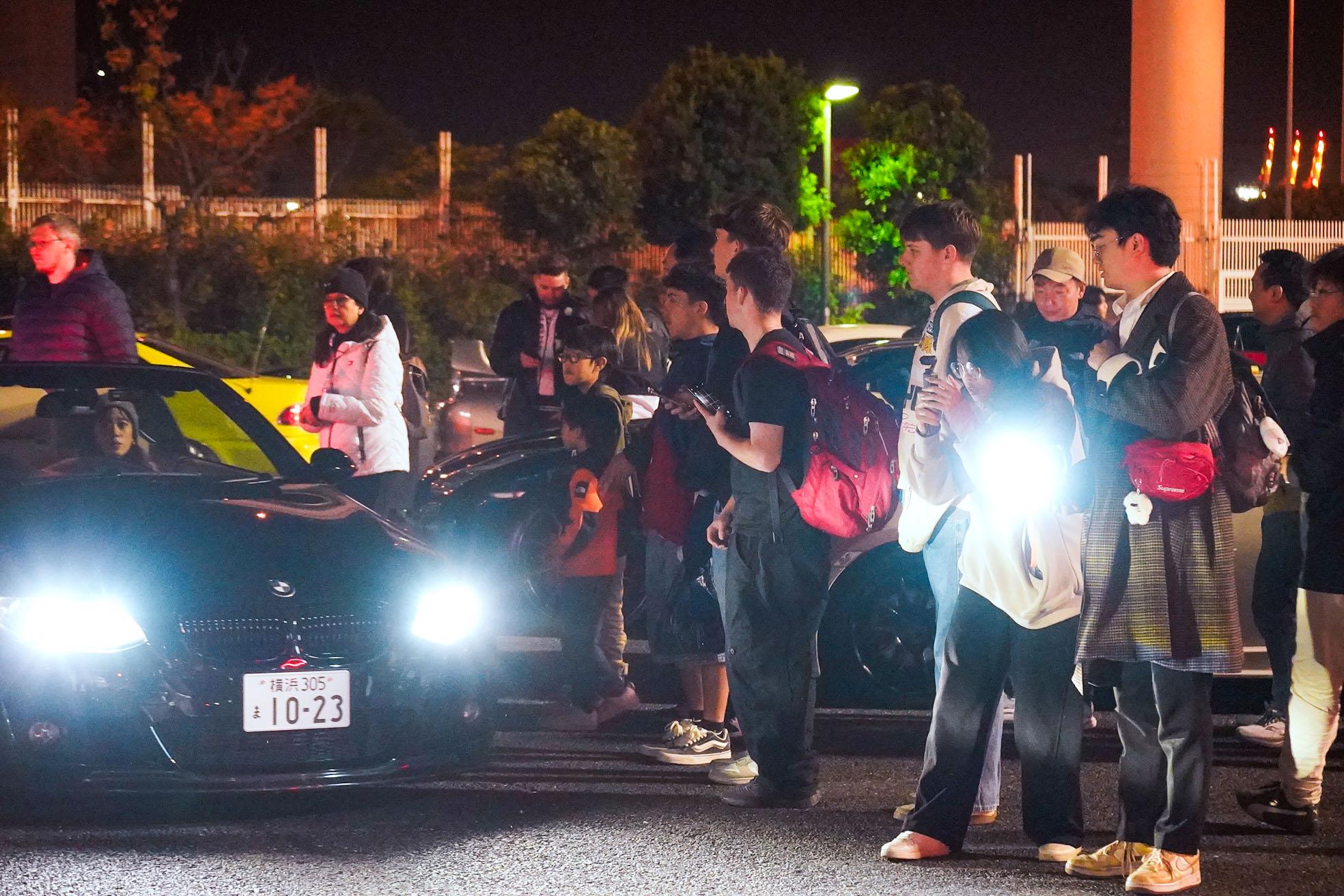
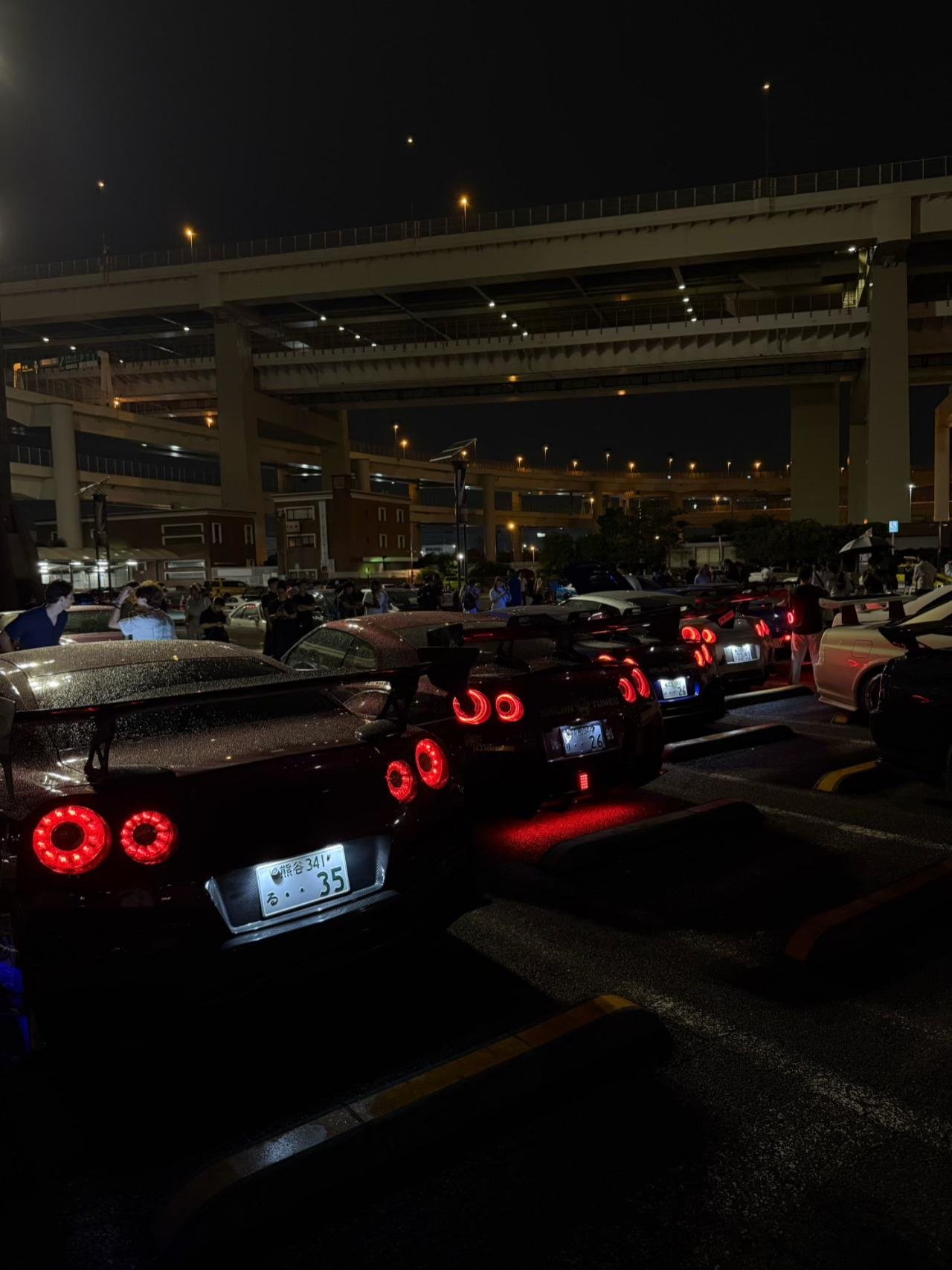
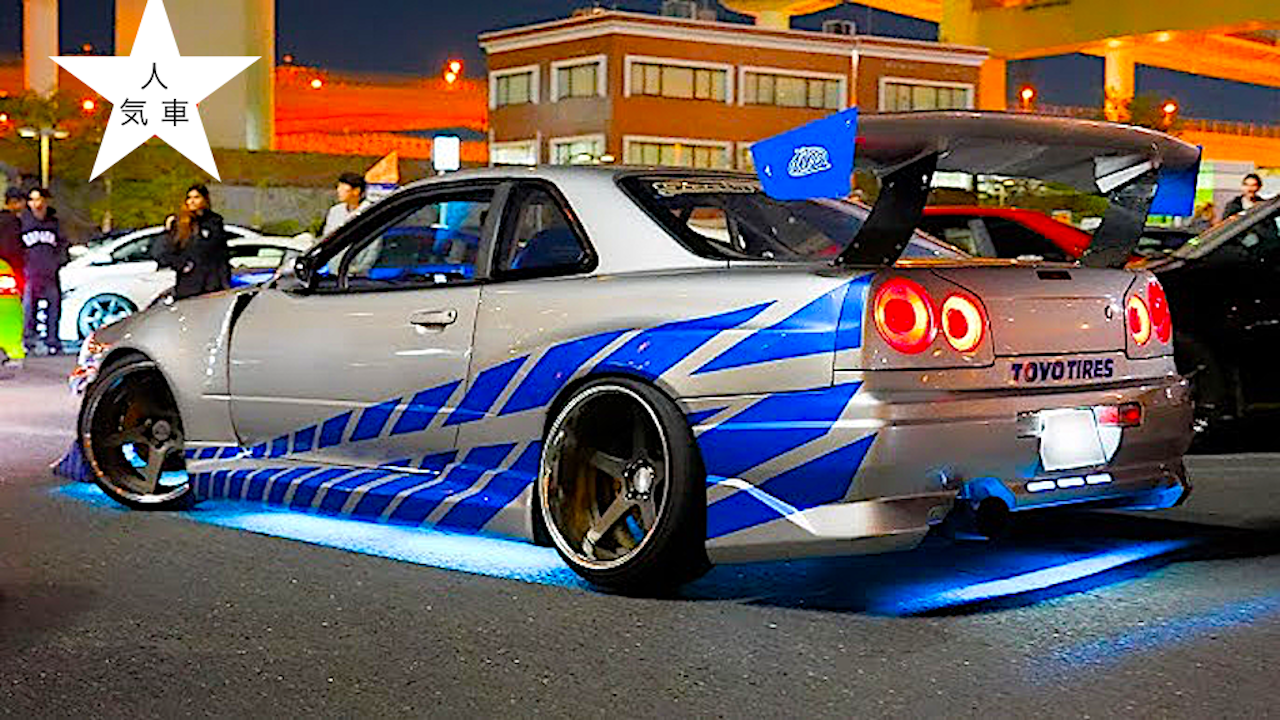
Daikoku Futo PA is a public expressway rest area on the Yokohama waterfront. On a Friday or Saturday night, around 19:30 JST, the lot starts filling — Hakosukas next to R35 GT-Rs, AE86 Truenos with Liberty Walk Lambos, JZX100 Chasers idling beside itasha anime-wrap S15s. Nobody books anything. Nobody gets paid. People stand around looking at cars until the police clear the lot.

Around that meet, an entire visitor industry has assembled: passenger ride-along tours, JDM rental cars, drift taxis, Hakone touge convoys, factory pilgrimages, and Initial D location guides. This guide maps it.

— Editorial introduction

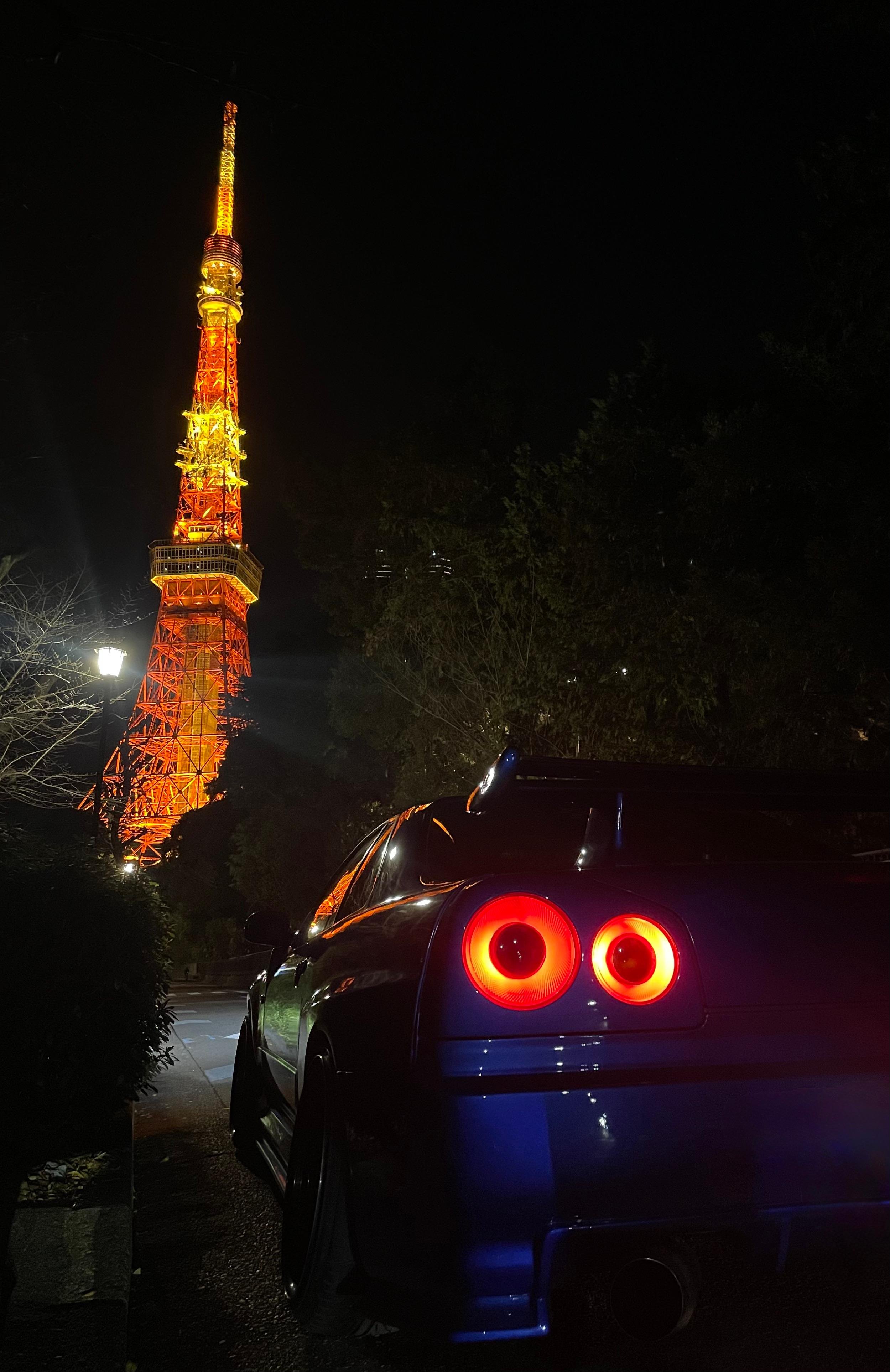
Japan's domestic-market car culture — the JDM shorthand — is unusually accessible to visitors. The cars (R32–R34 Skyline GT-Rs, AE86 Trueno, NSX-R, RX-7 FD, Evo VI Tommi Makinen, S2000) are physically present on Tokyo roads in numbers that no other country can match. The venues that anchor the scene — Daikoku Futo PA, Tatsumi PA, the Hakone Turnpike, Ebisu Circuit, Tsukuba, Fuji Speedway, the Mt. Akina/Akagi/Myogi touges in Gunma — are real, public, and reachable in a day from central Tokyo.

What is harder is knowing what to book. The market mixes legitimate licensed operators (Niche Drive, Drivers Lounge JP, Fun2Drive, Sideways Experience at Ebisu) with smaller social-media-only operators of varying reliability. Pricing ranges from $79 walk-up shared meets to $5,000+ multi-day drift schools. Self-drive products require a Geneva 1949 International Driving Permit that significant nationalities (Germany, France, Italy, Switzerland, Taiwan, Belgium, Slovenia, Monaco, Mainland China) cannot obtain — they need a JAF-certified Japanese licence translation instead, a detail most travel listings fail to mention.

This guide is structured around the practical decisions a visitor actually faces: which experience format suits you, which venues to hit, when to come, what your licence will let you do, and which operators serve which audience. The 29 individual experiences are profiled with all data fields on the operators page.

Quick reference

  • Experience formats: passenger night meets · self-drive touge · circuit/drift · factory & museum · multi-day events · JDM rental
  • Most-asked-about venue: Daikoku Futo PA, Tsurumi-ku, Yokohama (Bayshore Route, Shuto Expressway)
  • Most-asked-about operator: Niche Drive Tokyo (5.0 ★ TripAdvisor, Daikoku night specialist)
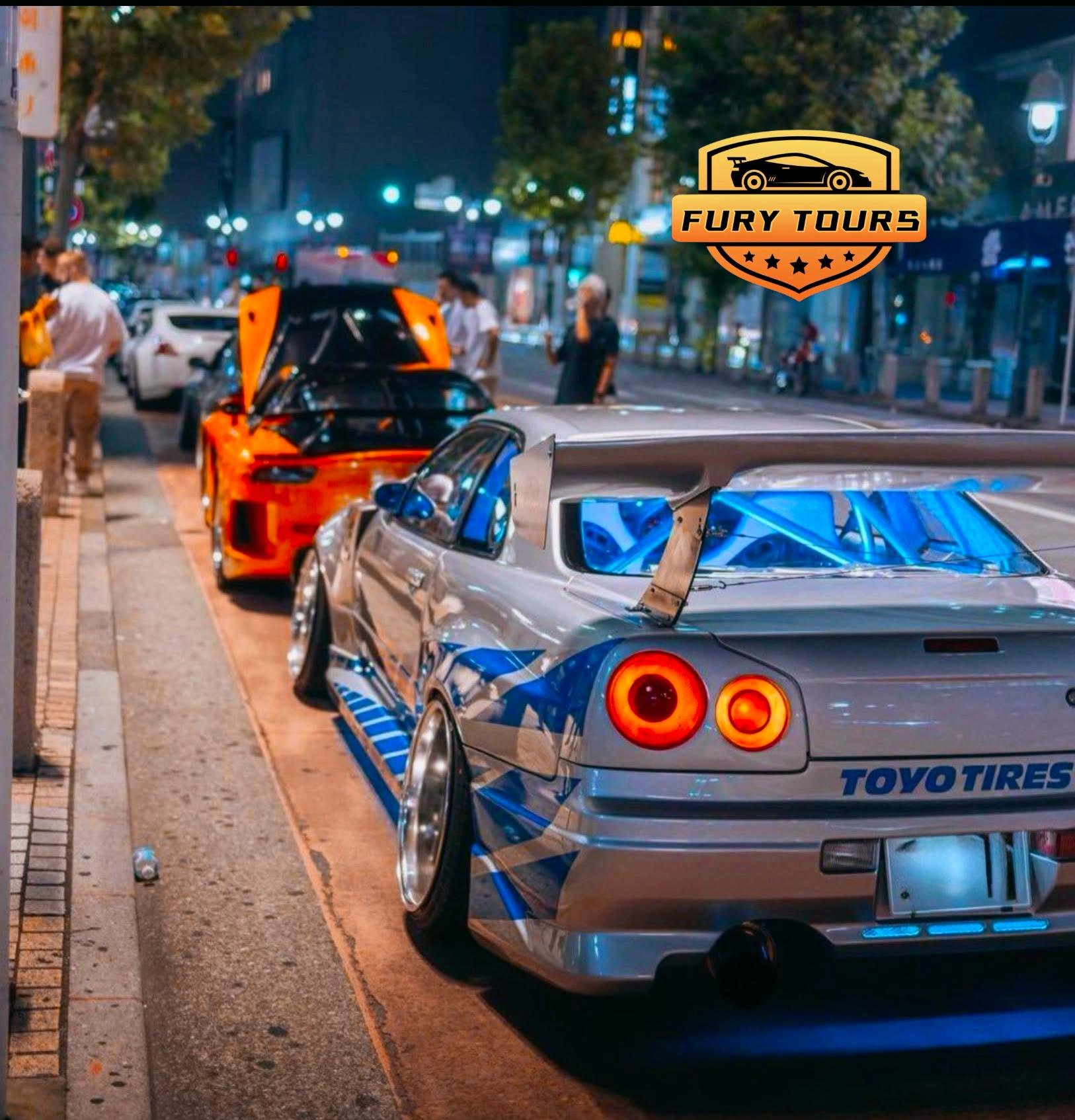
  • Most-asked-about car: Nissan Skyline GT-R BNR34 (V-Spec, Z-tune, Tommi Makinen-era period)
  • Hardest to book: R34 GT-R rentals (2–6 months ahead in peak season)
  • Free / no-booking option: show up at Daikoku PA on a Friday/Saturday night with a rented car
  • Best for non-drivers: drift taxi at Ebisu Circuit (140 cm height min., no licence)
The Six Formats

Experience types at a glance

Almost every Tokyo JDM product fits into one of six format categories. Picking the right format first — before picking an operator — is the single biggest leverage point.

Passenger night meet

Daikoku & Tatsumi PA tours

Operator-driven van or JDM coupe takes you to expressway parking-area car meets. No licence needed, all ages, light evening commitment. The default for first-time visitors and non-drivers.

⏱ 3–5 h · 💴 ¥15k–¥40k pp · Fri/Sat peak

Self-drive touge

Hakone & Initial D mountain runs

You drive a JDM rental on the Hakone Turnpike, Tsubaki Line, Ashinoko Skyline, or the Initial D Gunma touges. Convoy or solo. Geneva 1949 IDP required, age 23+.

⏱ 4–10 h · 💴 ¥45k–¥85k / car · MT skill rewarded

Circuit & drift

Ebisu, Tsukuba, Fuji track time

Closed-circuit experiences — Ebisu drift taxi (passenger), Tsukuba time-attack (driver), Fuji Speedway sports driving, drift schools at Sideways, Mobara, Nikko. From ride-along to multi-day tuition.

⏱ 30 min – 7 days · 💴 ¥25k – $5k+ · Apr–Nov peak

Factory & museum

Nissan Heritage, OEM showrooms, HKS

Nissan Heritage Collection at Zama (~290 historic cars). OEM showrooms in Ginza, Korakuen, formerly Aoyama. HKS HQ is dealer/press-only — Premium Day at Fuji is the public option.

⏱ 1–4 h · 💴 free–¥3,000 · Indoor, year-round

Annual event

Tokyo Auto Salon, Nostalgic 2 Days

Tokyo Auto Salon at Makuhari Messe (mid-January). Nostalgic 2 Days at Pacifico Yokohama (kyusha classic show). Drift Matsuri three times a year at Ebisu. Pikes Peak / Idlers / 7's Day rotary meets.

⏱ Full day · 💴 ¥2k–¥10k entry · Plan 4–6 mo ahead

JDM rental

Drive your own bucket-list chassis

Rent an R34 GT-R, AE86, NSX, S2000, or Evo VI Tommi Makinen for 4 hours to multi-day. Some operators bundle a guide; some are pure DIY. R34 fleet sells out months ahead.

⏱ 4 h – multi-day · 💴 ¥45k–¥85k+ / 24h · IDP + MT confidence

The format question matters more than the operator question. Three travellers asking "which Tokyo JDM tour should I book?" often want completely different products. A non-driving anime fan should book a Daikoku passenger tour. A licensed driver wanting time on the Hakone Turnpike should book a Drivers Lounge or Fun2Drive multi-car day. A bucket-list track-day driver should book Sideways Experience at Ebisu, not a Tokyo night tour. Identify the format, then the operator.

Geographic Anchors

The venues that define the scene

Tokyo JDM tourism is built around a small set of physical locations. Most of the 29 commercial experiences are routed through one or two of these. Knowing what each venue actually is — and what it isn't — helps you read tour itineraries critically.

Daikoku Futo PA

Tsurumi-ku, Yokohama · Bayshore Rte

Free public expressway rest area accessible only by car via the Daikoku-jct interchange. The defining JDM social space — informal Friday/Saturday night meet, Sunday daytime gathering, New Year's Day mega-meet. No train access. No entry fee.

Fri / Sat 19:30–22:30 JST

Tatsumi PA

Tatsumi · Wangan Rte, Tokyo

Inner-Tokyo bay parking area on the Wangan stretch, immortalised in Wangan Midnight. Late-night culture (post-midnight to ~04:00) is more underground than Daikoku — quieter, smaller, more authentic, more police-attentive.

Post-midnight, weekends only

Hakone Turnpike

Hakone · Kanagawa / Shizuoka

Officially the Anest Iwata Turnpike. Private toll mountain road with strict speed enforcement. Setting for MF Ghost, the Initial D sequel — official character signboards along the route. Pairs with Ashinoko Skyline and Tsubaki Line for a full day of touge.

Apr–May, Oct–Nov

Mt. Haruna ("Akina")

Gunma Prefecture · Route 33

The real Mt. Akina — Takumi Fujiwara's downhill course, the original 5-hairpin section from Initial D. Public road. Heavy police enforcement on weekends. The Fujiwara Tofu Shop replica sits 20 minutes away at the Ikaho Toy Doll & Car Museum.

Avoid winter (Dec–Mar)

Fuji Speedway

Oyama, Shizuoka · Tomei Expwy

Toyota-owned FIA Grade 1 circuit. Public sports-driving sessions (FSW License required, 2 h on-site seminar), drift skidpad, kart, museum, the Hyatt Unbound Collection hotel. SUPER GT, Super Formula, WEC race calendar.

Spring & autumn weekdays

Ebisu Circuit

Nihonmatsu, Fukushima · 3.5 h N of Tokyo

Seven courses on one site, owned by the Kumakubo family (Nobushige is a D1GP and Formula D champion). Drift Taxi, drift schools, daily car rental. Closed Dec–Mar. Drift Matsuri three times a year is the global pilgrimage event.

Apr–Nov, weekdays quietest

Tsukuba Circuit

Shimotsuma, Ibaraki · 90 km N of Tokyo

Time-attack capital of Japan. The "Attack Tsukuba" event each winter is the global benchmark for time-attack. Closer to Tokyo than Ebisu (~75–90 min). Tsukuba Gymkhana hosts most Tokyo-based drift ride-along operators.

Winter for Attack Tsukuba

Nissan Heritage Collection

Zama, Kanagawa · ~40 min from Tokyo

~290 historic Nissan and Datsun vehicles in a working warehouse: Hakosuka, Kenmeri, R32–R34 Group A, Z lineage, Le Mans entries, Pike concept cars. Reservation required, English tours limited — typically Japanese-language guided.

Reserve weeks ahead

Up Garage / Super Autobacs Tokyo Bay

Machida + Shinonome · Tokyo

Up Garage Yokohama Machida is the cult used-parts destination. APIT SuperAutobacs Tokyo Bay Shinonome is the largest aftermarket retailer in Japan. Both are on most Daikoku itineraries. Free parking, walk-in, no booking.

Daily, free entry

Makuhari Messe

Mihama-ku, Chiba · Tokyo Auto Salon

Tokyo Auto Salon, Japan's largest tuner show, runs mid-January (3 days, 300+ exhibitors, 300,000+ attendees). Tickets ~¥3,000. Book Tokyo accommodation 4+ months ahead — every tour operator runs special itineraries that week.

Mid-January only
Live Conditions

Is tonight a Daikoku night?

The Daikoku PA meet is informal — there is no schedule, and turnout is heavily weather- and weekday-dependent. The widget below pulls live Yokohama conditions and the current day-of-week / time in Japan and translates them into a verdict. Use it as a sanity check before committing to a multi-hour tour.

Loading conditions at Yokohama / Daikoku Futo …

The verdict combines weather (Open-Meteo, Yokohama 35.46°N, 139.69°E) with day-of-week and hour in JST. It does not predict what cars will be present — that is decided by the community in the moment.

The Core Decision

Self-drive vs passenger ride-along

Most travellers default to whichever option appeared first in their search. That is a mistake. The two formats have completely different cost profiles, audience fits, and emotional payoffs — and your licence, age, and confidence with manual transmission decide which is even available.

Passenger Ride-along

  • No licence needed — works for under-23, no-IDP travellers, families.
  • Lower cost floor — shared meets from ¥15,000 per person.
  • Zero excess risk — operator's commercial insurance covers everything.
  • Better at the meet itself — you can take photos, drink, walk around. A self-driver is busy with parking and not blocking traffic.
  • Late-night and multi-stop friendly — Tatsumi/Akihabara variants run midnight–04:00.
  • Drift taxi at Ebisu is the high-G version of this format — passenger only, no licence, 140 cm height min.

Self-drive

  • Geneva 1949 IDP required — plus home licence original. Some EU/Asian nationalities need a JAF translation instead.
  • Age 23+ typical (Drivers Lounge); 25+ for premium chassis (R34 GT-R, NSX-R).
  • The road is the product — Hakone Turnpike, Wangan loop, Mt. Akina hairpins. Not the meet.
  • Multi-car rotation — Drivers Lounge and Fun2Drive let one driver sample 3–4 chassis in a single day; closer to a track-day rental than a normal car hire.
  • Excess up to ¥1m+ on rare chassis. CC hold required. Tyre/wheel/undercarriage often excluded.
  • MT confidence rewarded — the iconic cars (R32 GT-R, FD3S RX-7, AE86, S2000, Evo VI) are manual. Drivers Lounge actively rejects unconfident MT drivers on the day with no refund.

Hybrid solution: book a passenger night-meet tour for the social/photo experience, and a separate self-drive day on Hakone Turnpike. Different operators, different days. The travellers who report the best trips do this — they don't try to make one product carry both jobs.

Timing

When to visit Tokyo for JDM

Three timing dimensions matter: the season, the day of the week, and the annual event calendar.

Season by season

Mar – May  ✓ Peak

Cherry blossom on Hakone, comfortable touge weather, build-up to Golden Week. Tour bookings fill — R34 GT-R sold out 3+ months ahead. Avoid Golden Week itself (late April / early May) for road congestion.

Jun – early Aug  ⚠ Tsuyu & heat

Rainy season (June) suppresses Daikoku turnout heavily. Mid-summer touge driving is hot and Mt. Fuji is usually clouded. Drift Matsuri summer event (Ebisu) and Super Taikyu Fuji 24H (early June) are the bright spots.

Sep – Nov  ✓ Peak

Koyo foliage on Hakone Turnpike (early–mid November is iconic). Peak Mt. Fuji visibility. Cooler nights at Daikoku. Nostalgic 2 Days kyusha show in early December bookends the season.

Dec – Feb  ⚠ Mixed

Tokyo Auto Salon (mid-January) is the calendar's biggest week — every operator runs special itineraries. Ebisu Circuit closed entirely. Mt. Akina/Akagi/Myogi often snow-closed. Daikoku turnout reduced by cold; New Year's Day is the exception — a mega-meet runs regardless.

Weekly rhythm

What happens when

  • Mon–Thu: small Daikoku turnout (regulars only). Best for cheap Hakone tours, Tsukuba weekday open-lap, OEM showroom visits.
  • Friday night: Daikoku peak begins ~19:30 JST and runs until ~22:30. Tatsumi PA late-night activity 23:00–04:00.
  • Saturday: Daytime — Hakone, Mt. Akina, Up Garage. Evening — Daikoku peak. Most multi-car rotation tours run Sat.
  • Sunday: Daikoku has a daytime gathering — different crowd, family-friendlier, classic car focus. Evening turnout tapers. Many operators close.

Annual events to plan around

Licensing & Documentation

Driver requirements (read this before booking a self-drive)

Japan does not honour all International Driving Permits. The single most common booking failure for visitors is showing up at a JDM rental with the wrong paperwork and being turned away with no refund. Drivers Lounge JP and most premium operators explicitly check originals at check-in.

The Geneva 1949 IDP — and the countries that can't use one

Japan recognises only IDPs issued under the 1949 Geneva Convention on Road Traffic. That covers most English-speaking countries (UK, US, Canada, Australia, New Zealand, Ireland, South Africa). It does not cover several major source markets:

Nationalities that need a JAF translation, NOT a Geneva 1949 IDP

  • Switzerland · Germany · France · Belgium · Italy · Slovenia · Monaco · Taiwan — must use an official JAF (Japan Automobile Federation) Japanese-language translation of their domestic licence. The Geneva 1949 IDP is not accepted.
  • Mainland China · Vietnam · Indonesia · Brazil — Japan does not accept their IDPs at all. Most operators cannot rent to drivers from these countries; some accept a Japanese-issued certified translation, but confirm before booking.

A JAF translation can be ordered online via JAF and picked up in advance, or at JAF offices in Japan. Lead time is days, not weeks. Carry both the original home licence and the JAF translation; the JAF document on its own does nothing.

Age, experience, and manual transmission

The credit-card hold

Every premium operator requires a Visa, Mastercard, or Amex hold for the excess. Common figures: ¥100,000 vehicle damage + ¥100,000 third-party + ¥50,000–100,000 non-operation charge + ¥20,000 traffic violation. On rare chassis, vehicle excess can reach ¥500,000–1,000,000+. Add-on zero-deductible insurance is ¥3,000–8,000 per day and worth it on a one-day Hakone trip.

Etiquette & Safety

How to behave at meets, on touges, and on track

The Tokyo JDM scene is unusually open to international visitors — and unusually fragile. Police crackdowns, parking-area closures, and informal meet bans have followed YouTuber-driven crowd surges before. The visitors who come back welcome are the ones who absorb local etiquette quickly.

High Drifting on public roads is illegal

All drifting on Japanese public roads is illegal — including the Hakone Turnpike, Mt. Haruna Route 33, Akagi, Myogi, Tsubaki Line, and every other touge in this guide. Police presence on these roads has been heavy and consistent since the height of the Initial D era. Operators who claim to offer drift-on-touge experiences are not legitimate. Drifting requires a closed circuit: Ebisu, Tsukuba Gymkhana, Mobara Twin, Nikko, Fuji.

High Daikoku PA meet etiquette

Medium Touge police and speed enforcement

Mt. Akina (Route 33), Akagi, Myogi, the Hakone Turnpike, and Tsubaki Line all see weekend speed-enforcement patrols, sometimes with unmarked cars. Posted limits are 30–40 km/h on hairpin sections. Treat the touges as scenic drives. If you want pace, you want a closed circuit. Fines are steep and an over-30 km/h offence triggers an immediate 30-day administrative licence suspension — check Japan-resident automotive forums before assuming any specific number is "fine."

Medium Drone / video restrictions

Drones are prohibited at all expressway parking areas (Daikoku, Tatsumi, Umihotaru) and at most circuits unless arranged in advance with the operator. Tokyo airspace restrictions are extensive; check the MLIT drone map before any flight. Personal photography is generally fine; commercial photography or content shoots typically need operator clearance.

Low 244 Family / bosozoku spectator etiquette

The 244 Family and other vannin / bosozoku crews appear at Daikoku, Umihotaru, and Wangan rest stops on irregular schedules — most reliably New Year's Day. They do not pose for tourists, do not provide rides, and do not take photo requests. Watch and photograph respectfully from a distance. Following the convoy in your own car risks traffic violations.

Practical defaults that keep you welcome: dress quietly, carry your own trash, don't smoke near other people's cars, ask before photographing close-up, learn one or two Japanese car-meet phrases (shashin tottemo ii desu ka? — "may I take a photo?"), and leave the lot clean. Operators who run frequent tours notice which guests do this and which don't, and the better operators reflect that in repeat-bookings and recommendations.
Cultural Anchors

The manga, anime, and motorsport that built the scene

Most international interest in JDM tourism is downstream of media properties. Knowing which property pointed you here often suggests which experience format will satisfy you.

If you came in via Initial D, do the Gunma touge + Ikaho museum + Hakone (MF Ghost) sequence. If via Wangan Midnight, do a night Wangan loop with Tatsumi + Daikoku. If via Fast & Furious, do a single Daikoku night-meet tour and don't overspend. If via the Tsuchiya / Best Motoring tradition, prioritise track time at Tsukuba or Ebisu over road tours.

Frequently Asked Questions

Practical questions before you book

JDM tourism covers visitor experiences built around Japan's domestic-market car culture: late-night car meets at expressway parking areas (Daikoku PA, Tatsumi PA), self-drive tours of legendary mountain roads (Hakone Turnpike, Mt. Haruna), drift taxi rides at Ebisu Circuit, track days at Fuji Speedway and Tsukuba, factory and museum visits (Nissan Heritage Collection, HKS), and pilgrimage to Initial D / MF Ghost / Wangan Midnight locations. Operators offer both passenger-only formats (no licence needed) and self-drive rentals (Geneva 1949 IDP and minimum age 23 typical).

Yes, for any self-drive: a valid home-country licence plus an International Driving Permit issued under the Geneva 1949 convention. Drivers from Switzerland, Germany, France, Belgium, Italy, Slovenia, Monaco, and Taiwan must instead use a JAF-certified Japanese translation of their licence — the Geneva 1949 IDP is not accepted from these countries. Mainland China, Vietnam, Indonesia, and Brazil are also outside Geneva 1949 and require alternative paperwork. Passenger ride-along tours and drift taxi require no licence.

Most JDM rental operators require a minimum age of 23. A few accept 21 with surcharge; high-value cars (R34 GT-R, NSX-R) often require 25 or 26. Drivers Lounge JP accepts from 23 — one of the lower thresholds in the market. Passenger-only formats have no minimum driver age; minimum passenger age varies (drift taxi at Ebisu requires 140 cm height, roughly age 10+).

Daikoku is informal and unscheduled — cars gather most heavily Friday and Saturday nights between 19:30 and 22:30 JST, in dry weather. Sunday afternoons see a different daytime gathering. Heavy rain, midnight police clearances, and winter cold (Dec–Feb) all reduce turnout. New Year's Day brings a major bosozoku and JDM mega-meet that runs regardless of weather.

Passenger ride-along if you are under 23, do not hold a Geneva 1949 IDP, lack manual-transmission confidence, are travelling with non-driving family, or want stress-free time at the meet itself. Self-drive if you have IDP, manual experience, and the goal is the road itself — Hakone Turnpike, Wangan loop, Mt. Haruna. Multi-car-rotation operators (Drivers Lounge, Fun2Drive) let one driver sample 3–4 chassis in a single day.

Late March to early May for cherry blossom on Hakone Turnpike and clear roads, plus the build-up to Golden Week. October–November for koyo foliage, peak Mt. Fuji visibility, and shoulder pricing. Mid-January for Tokyo Auto Salon at Makuhari Messe. Avoid Golden Week and Obon (mid-August) for road congestion. Ebisu Circuit closes December–March entirely.

No. All drifting on Japanese public roads is illegal and aggressively enforced. The Initial D / MF Ghost touges (Mt. Haruna, Akagi, Myogi, Hakone Turnpike) are open public roads with strict speed limits, frequent police presence on weekends, and dedicated patrols since the manga's height. Legitimate operators run sightseeing-pace pilgrimage tours. Drifting requires a closed circuit — Ebisu, Tsukuba Gymkhana, Mobara Twin, or Fuji.

Shared night-meet tours run roughly USD 100–250 per person (Niche Drive shared ¥38,000 / ~$250; small-group Viator listings $150–300). Private R34 GT-R or premium-vehicle tours run $300–800 per person. JDM Global Warehouse "Full-Boost" is $400 per private tour split among up to 4 guests. Daikoku itself is a free public expressway parking area — no entry fee, no operator.

Daikoku night-meet tours are typically all-ages on operator vehicles (Niche Drive, JDM Global Warehouse, GetYourGuide). Drift taxi at Ebisu requires 140 cm minimum height (roughly age 10+) plus parental consent. Drift ride-along at Tsukuba and Mobara typically minimum age 12. JDM rental cars rarely accommodate child seats — confirm at booking. Late-night Tatsumi/Akihabara variants run midnight–4 AM and are unsuitable for young children.

R34 GT-R rentals: 2–6 months. AE86 / NSX-R / Evo VI Tommi Makinen: 4–12 weeks. Drivers Lounge Hakone-to-Daikoku weekend tour: 4–8 weeks. Tokyo Auto Salon week (mid-January) and Golden Week / Obon: 4–6 months for both tours and accommodation. Drift Matsuri spectator weekend at Ebisu: 3–6 months for hotels in Nihonmatsu. Standard shared night-meet tours: 1–2 weeks usually fine.

English is standard at tourist-facing operators (Niche Drive, JDM Global Warehouse, Drivers Lounge, Fun2Drive, Sideways Experience). JDM Global Warehouse explicitly supports English, Japanese, Mandarin, Cantonese, French, and Spanish. Direct Japanese-only operators (Ebisu Circuit own bookings, FSW direct, HKS HQ) are best approached via the English-language platforms (Fukushima Travel Bureau, Sideways, Hyatt Hotel concierge).

Comprehensive CDW is typically included; excess (deductible) is the issue. Standard JDM rentals carry ¥100,000–¥500,000 excess (~$650–$3,300). Rare chassis (R34 GT-R, AE86, NSX-R) may exceed ¥1,000,000. Drivers Lounge JP: ¥100,000 vehicle damage + ¥100,000 third-party + ¥50,000–¥100,000 non-operation charge. Tyres, wheels, undercarriage are often excluded. Add-on zero-deductible insurance runs ¥3,000–¥8,000 per day. A Visa, Mastercard, or Amex hold is required for the excess.

Drift Matsuri is a 31-hour non-stop drifting weekend held three times a year at Ebisu Circuit (spring, summer, autumn). It is a global pilgrimage event for the drift community — open lapping across multiple courses, international drivers, drift schools running, and a full festival atmosphere. Spectator entry is open; book Nihonmatsu accommodation 3–6 months ahead as local hotel inventory is limited.

Initial D: Mt. Haruna in Gunma is the real "Mt. Akina" (the 5-hairpin Route 33 downhill course); Mt. Akagi and Mt. Myogi are nearby. The Ikaho Toy Doll & Car Museum hosts the official relocated Fujiwara Tofu Shop replica with the AE86. MF Ghost: the Anest Iwata Hakone Turnpike has official MF Ghost character signboards; Odawara runs an official "MF Ghost x Odawara" tourism campaign. The original Fujiwara Tofu Shop building was demolished in 2010 — the museum replica is the canonical pilgrimage site.

The HKS HQ in Fujinomiya, Shizuoka is dealer / press / accredited visitor only — turning up unannounced will not gain entry. The annual HKS Premium Day at Fuji Speedway is the public-facing event: a full track day with paddock access, demo runs, drift sessions, and a parts-vendor area. Tickets sell out 6–8 weeks ahead. Concierge tours that include HKS-area Mt. Fuji touring exist (samuraicarjapanjdm.jp); vet any tour offering "HKS factory access" carefully.

Operators & Experiences

29 experiences compared

The full operator comparison covers every product category: Daikoku night-meet tours, Hakone touge self-drives, Ebisu drift taxi, Fuji Speedway programs, Initial D pilgrimage day-trips, JDM rental fleets, factory and museum visits, and the major annual events (Tokyo Auto Salon, Nostalgic 2 Days, Drift Matsuri). All data fields — duration, price, group size, language support, IDP / age requirements, insurance excess, ratings, and target persona — appear on the operators page.

Some headlines:

Full operator comparison: all 29 experiences →

About this guide. Independent research resource with no commercial relationships to any tour operator. All operator data compiled from operator websites, TripAdvisor, Viator, GetYourGuide, Klook, and Pelago listings, plus reporting from Speedhunters, Noriyaro, and Superfly Autos. Ratings and review counts verified April 2026. Prices are approximate and change seasonally — confirm directly with operators before booking.

Research covers 29 experiences spanning night meets, self-drive touge tours, circuit and drift programs, factory and museum visits, annual events, and JDM rentals. No operator paid for placement or inclusion. Where individual fields could not be confirmed from public sources, items are flagged as uncertain on the operator page.

Last updated: