Tokyo: Daikoku JDM Car Meet & Night Car Culture Tour
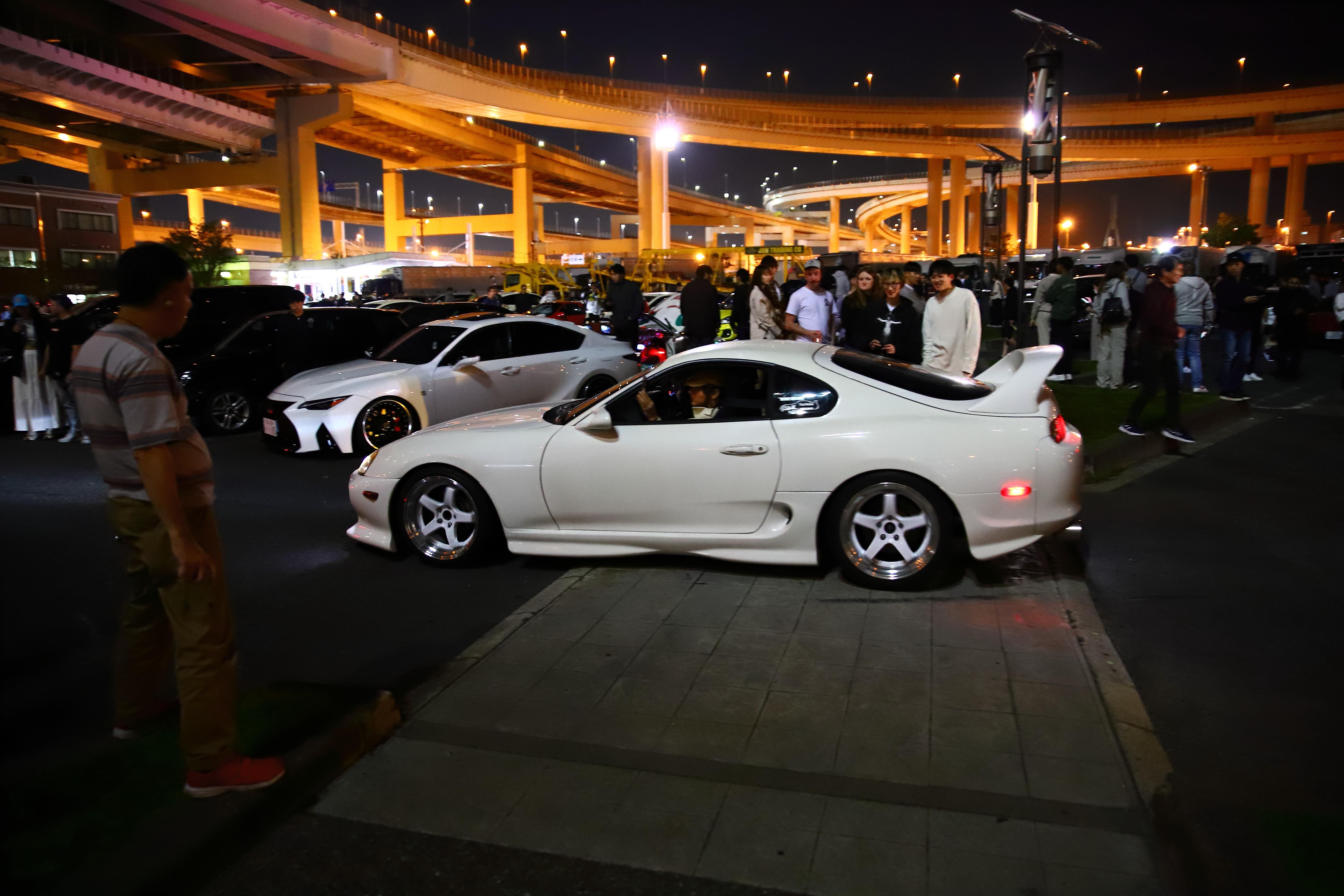
The explicit car-meet product with the deepest review base on GetYourGuide — the closest thing to a consensus first booking.
$107per person
★ 4.8651 reviews
A Tokyo car meet is not an event. Nobody organises it, nobody sells tickets, and there is no address you can walk to. This page explains what actually happens at Daikoku PA and the other venues, why the night you booked might be shut down before you arrive, the etiquette that decides whether visitors stay welcome — and the 12 bookable car-meet tours that solve the one problem you cannot solve yourself: getting in and back out.
12 GetYourGuide car-meet products compared below — shared seats from $59, private vehicles with hotel pickup to $277. All include the return leg.
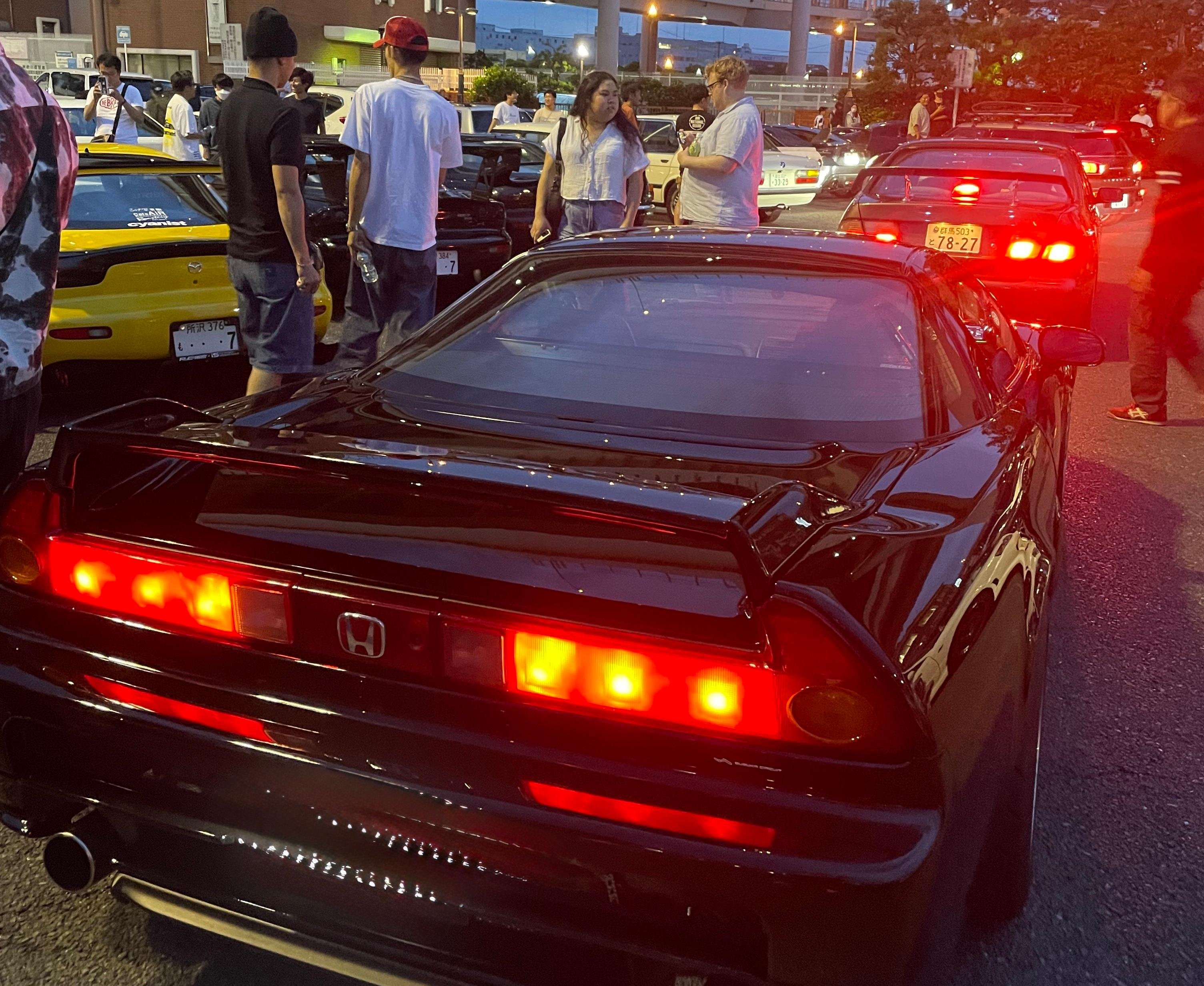
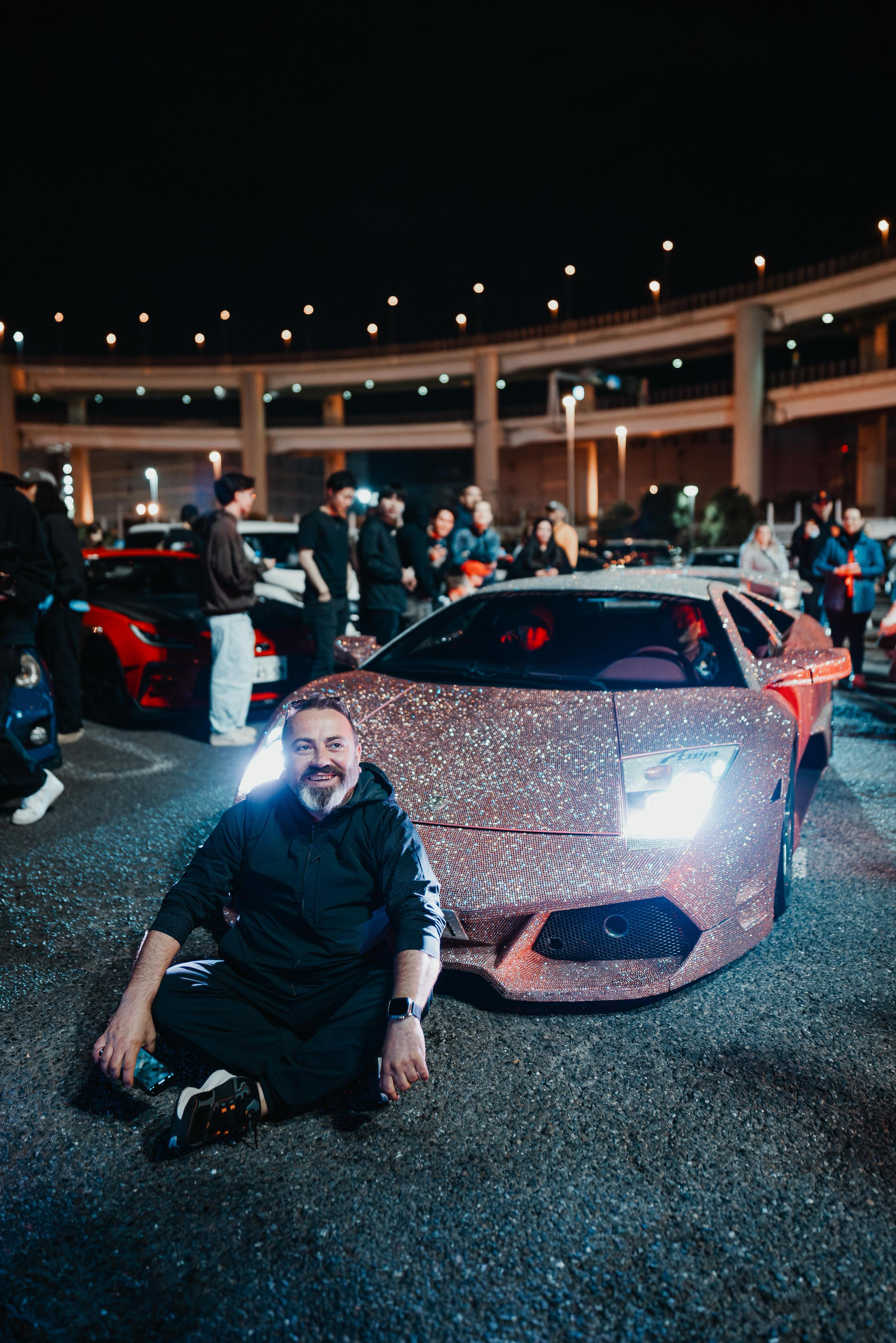
Almost every article written about the Tokyo car meet describes it as a destination. It is more accurate to describe it as a habit. Daikoku Futo PA — the venue that the phrase "Tokyo car meet" now effectively means — is a functioning expressway service area on the Shuto Expressway Bayshore Route in Tsurumi-ku, Yokohama. It has toilets, vending machines, a food counter, truck bays, and a circular ramp that has appeared in more car photography than any other stretch of concrete in Asia. On most nights it is a rest stop. On Friday and Saturday evenings, enough people independently decide to drive there that it becomes the largest informal car gathering in Japan.
Three consequences follow from that, and they explain nearly every disappointed review you will read:
What a tour actually buys you, then, is not access to an attraction. It is a driver with a car, the tolls paid, local knowledge of where the crowd has moved to if the main lot is shut, and — the part visitors consistently underestimate — a guaranteed ride home from a place you cannot walk out of.
"Tokyo car meet" is shorthand for a small cluster of venues, most of which are in Yokohama rather than Tokyo proper. Tour itineraries almost always chain two or three of them together, and knowing which is which lets you read a listing critically.
The main event. Free public expressway rest area, reachable only by car via the Daikoku junction. No train, no bus, no legal walk-in entrance. Friday and Saturday nights are the peak; Sunday daytime is a separate, calmer gathering; New Year's Day is the single biggest night of the year.
Fri / Sat from ~19:00 JSTThe inner-Tokyo alternative, immortalised in Wangan Midnight. Smaller, later, quieter and more attentive to police presence than Daikoku. Late-night tour variants that run past midnight usually mean Tatsumi rather than Daikoku.
Post-midnight, weekendsAn artificial island rest area in the middle of Tokyo Bay. It appears on itineraries in two roles: as a scenic add-on, and as the standard fallback when Daikoku is closed. One operator's listing states this explicitly — if Daikoku is shut, the tour goes to Umihotaru instead.
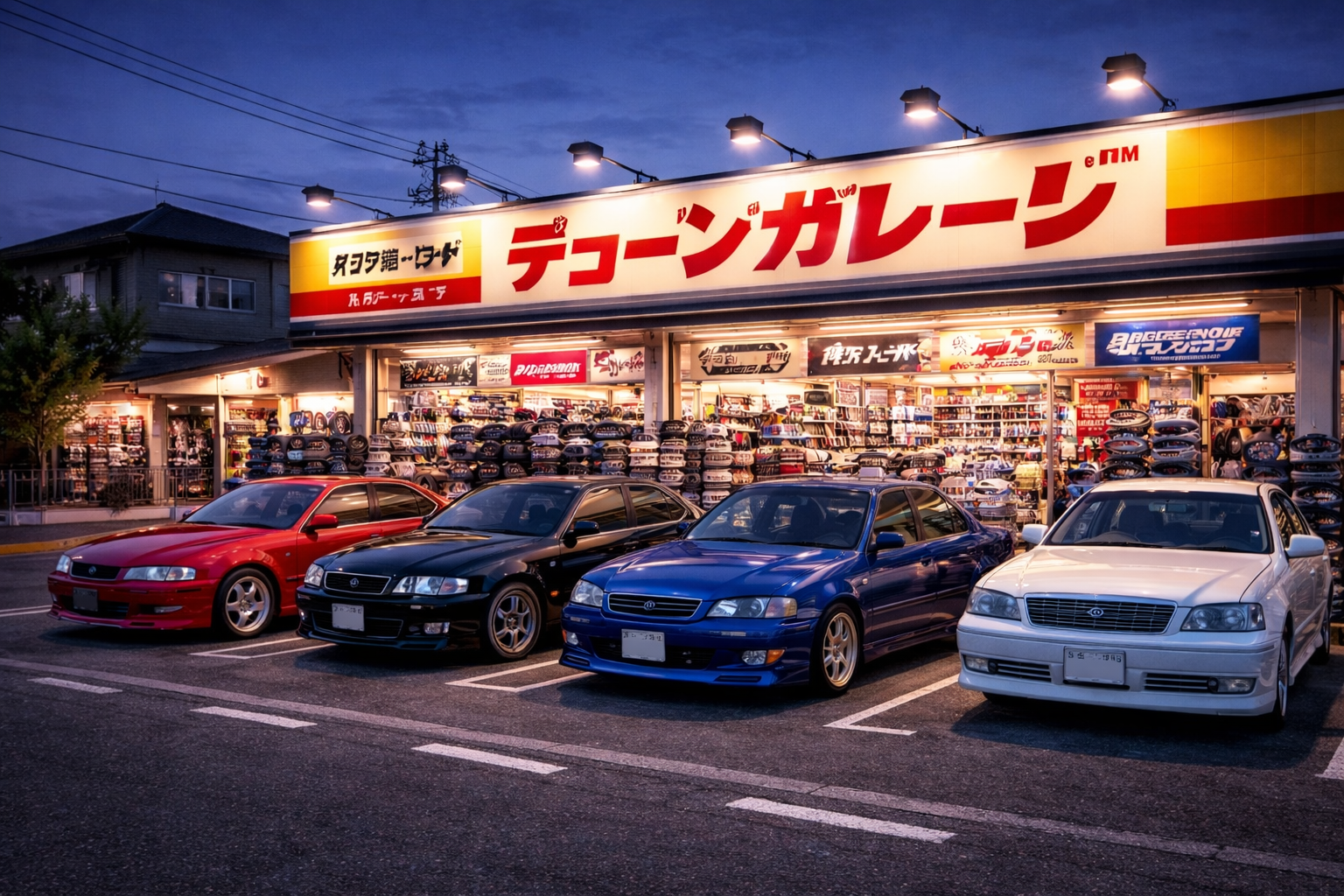
Fallback venue · all yearThe largest aftermarket retailer in the Tokyo area, open late, with a car park that functions as an informal meeting point in its own right. It is the single most common non-Daikoku stop across the tour listings on this page. Free, walk-in, no booking.
Daily · free entryThe cult used-parts destination. Daytime rather than night, and a different crowd — buyers rather than posers. Appears on longer half-day itineraries and on tours pitched at people who actually build cars.
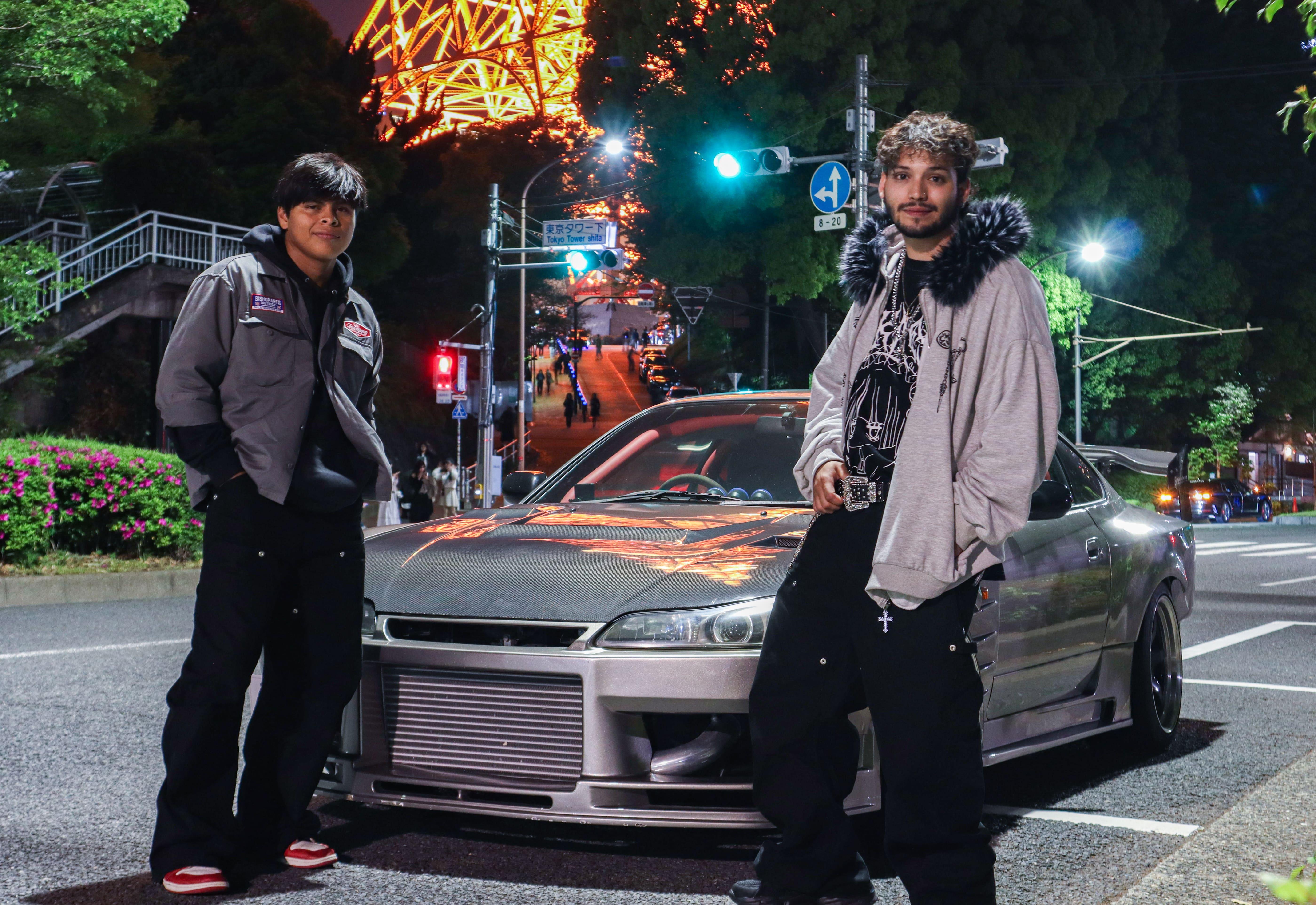
Daytime · free entryNot a meet, but the connective tissue between them, and the reason many guests rate the drive above the destination. Nearly every listing on this page routes back across the Rainbow Bridge for the skyline photo stop.
Night · included in most toursThis is the section most listicles skip, and it is the one that determines whether you enjoy the night. A Daikoku booking is not a booking for an event; it is a booking for a drive to a place that may or may not be busy, and may or may not be open.
Because Daikoku PA is a working rest area on a live expressway, the entrance can be shut when the lot fills. This is not a rare event. Two separate operators selling Daikoku tours state it in their own GetYourGuide booking conditions: one warns that "Daikoku PA is often closed after 7:00 p.m. on Fridays and Saturdays due to heavy traffic and large gatherings of cars"; another schedules its Friday and Saturday departures for 17:00 with a 20:00 return, explaining that "traffic police may close the parking from 19:00". When two competing operators independently price the same risk into their timetables, treat it as the base case rather than the exception.
What this means when you book: a tour that departs at 17:00 or 18:00 and reaches Daikoku before the closure window is structurally more likely to get you into the lot than one that departs at 20:00. Read the departure time, not the marketing copy. And ask what the operator does if the lot is shut — the good answer is a named alternative (Umihotaru, Tatsumi, a shop stop), not silence.
The crackdowns are not random. The Drive reported in November 2023 on a wave of police activity at Daikoku — vehicle blockades and compliance checks — triggered in part by tourists climbing the highway fences to get into the parking area on foot, then finding themselves stranded because no taxi or bus serves the site, and by crowds blocking the EV chargers while taking photos. National television coverage on Fuji TV intensified the attention. The article's framing, quoting YouTuber Sam Lucas of the channel Sammit, was that the venue risks being "loved to death".
The practical read for a visitor in 2026: the police presence you may encounter is a response to a specific pattern of tourist behaviour, and the fastest way to be part of the problem is to arrive on foot.
Owners of low, expensively-painted, often barely street-legal cars do not drive them in the rain. Wet Friday nights at Daikoku are a fraction of dry ones, and the June rainy season is the weakest month of the year. Cold suppresses turnout through December to February, with New Year's Day as the standing exception. The homepage carries a live Yokohama conditions widget that translates the current weather, day and hour in Japan into a go / marginal / hold verdict — worth checking the morning of a flexible booking.
Worth saying plainly, because the reviews bear it out: guests who booked for the drive and the guide rate quiet nights highly, and guests who booked expecting a spectacle rate the same night poorly. If your entire reason for going is to photograph a specific chassis, you are making a bet on a crowd of strangers. If your reason is to spend three hours on the Wangan at night with someone who knows the scene, the bet is much safer.
The Tokyo car scene is unusually open to foreigners and unusually fragile. Most of what follows is social convention. One item is actual law, and it is the one most often violated by tourists — usually by asking someone else to violate it on camera.
Revving a stationary engine for effect is not merely bad manners in Japan; it is addressed directly in the Road Traffic Act. Article 71, item (v)-3 requires a driver:
"to not suddenly put the motor vehicle or motorized bicycle in motion, suddenly increase its speed, or increase its engine speed without transferring the power of the engine to its wheels in a manner that makes a noise causing an extreme nuisance to others, without a legitimate reason for doing so"
"Increase its engine speed without transferring the power of the engine to its wheels" is a statutory description of revving in neutral. Operators know this: one self-drive listing on this site's own tour set spells out to its guests, in writing, that "revving the engine is prohibited". A visitor gesturing at an owner for a rev is asking a stranger to take a legal risk for a six-second video.
Pedestrian access to Daikoku PA is prohibited. There is no station, no bus and no footpath; the only ways in are the expressway ramps. Fence-climbing is the specific behaviour that news coverage tied to the recent enforcement wave. It also strands you: once inside, there is no legal way to walk out and no taxi rank.
Photographing the lot is normal and expected — it is why half the cars are there. Filming individuals, sticking a lens through an open window, or opening a hood you were not invited to open is not. The community has had bad experiences with creator content specifically. Shashin totte mo ii desu ka? ("may I take a photo?") is the whole vocabulary you need, and it converts a wary owner into a talkative one more often than not.
A meaningful share of the cars present are worth more than the car you own, and many carry paint or bodywork that cost five figures. Leaning on a fender to pose is the single fastest way to sour a group.
Daikoku is a rest area with a working purpose — long-haul truckers actually need the bays, and the EV chargers are for charging, not for standing around. Blocked chargers were named in the 2023 reporting as one of the complaints that drew official attention.
Do not argue, do not film officers, do not linger for one more photo. The meet exists because it is tolerated. Every visitor who treats a clearance as content makes the next clearance more likely and earlier.
There are exactly three ways to stand in the Daikoku lot, and only two of them are legal.
Walking, taxi or rideshare is not a third option. Pedestrian entry to the parking area is prohibited, and getting dropped off by taxi solves only the outbound half. Expressway rest areas are not places taxis cruise for fares; there is no rank, and arranging a pickup at 23:00 from inside a service area — with patchy reception and a language barrier — is how visitors end up in the situation news coverage described. If you have no car, book a tour.
Three picks from the 12 explicitly car-meet-focused products below, chosen across review depth, price floor and rating. Prices, ratings and review counts are taken from the GetYourGuide listing data compiled for this site — the per-person or per-group unit shown is the one the operator publishes.
The explicit car-meet product with the deepest review base on GetYourGuide — the closest thing to a consensus first booking.
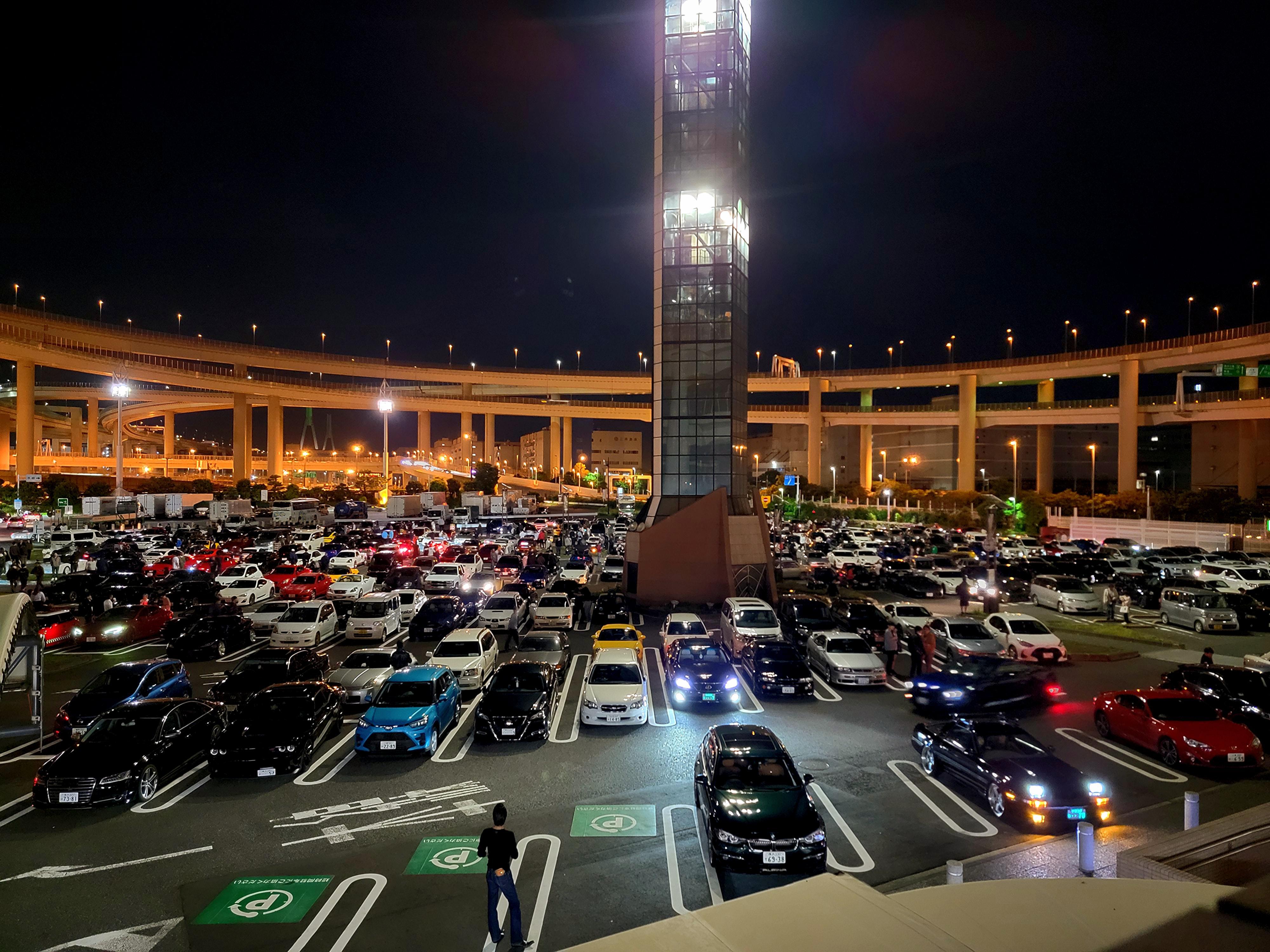
The cheapest way into a Daikoku night that still carries a four-figure-adjacent review count. Shared vehicle, fixed route.
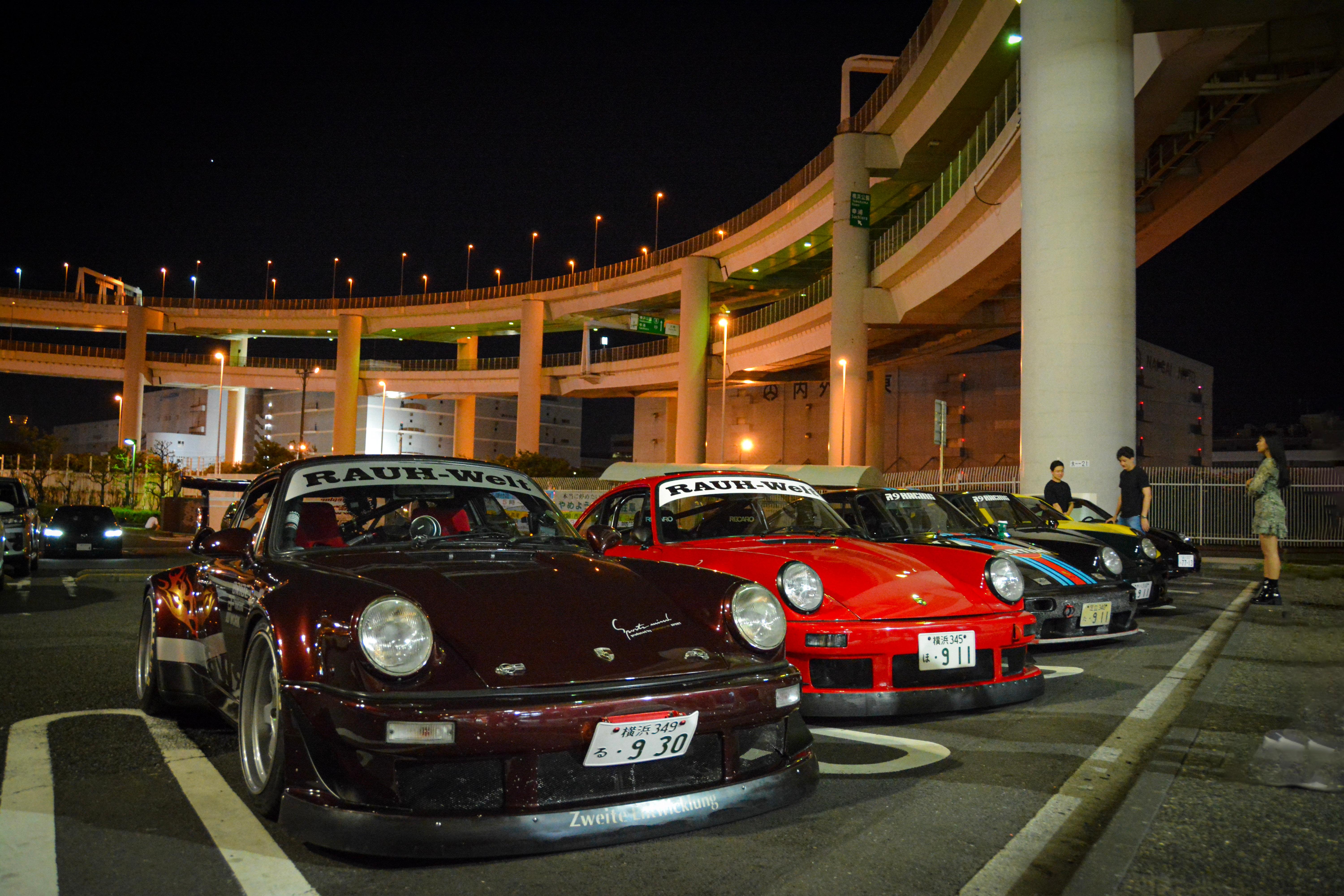
Highest average rating among the car-meet products that have cleared 50 reviews — a four-hour format with an Autobacs stop.
These are the products from our 83-tour Daikoku set whose listings are explicitly built around the car meet itself, rather than around one hero chassis. Every one includes transport in both directions. Combined: 2,617 verified reviews, weighted average rating 4.82, starting prices $59 to $277.
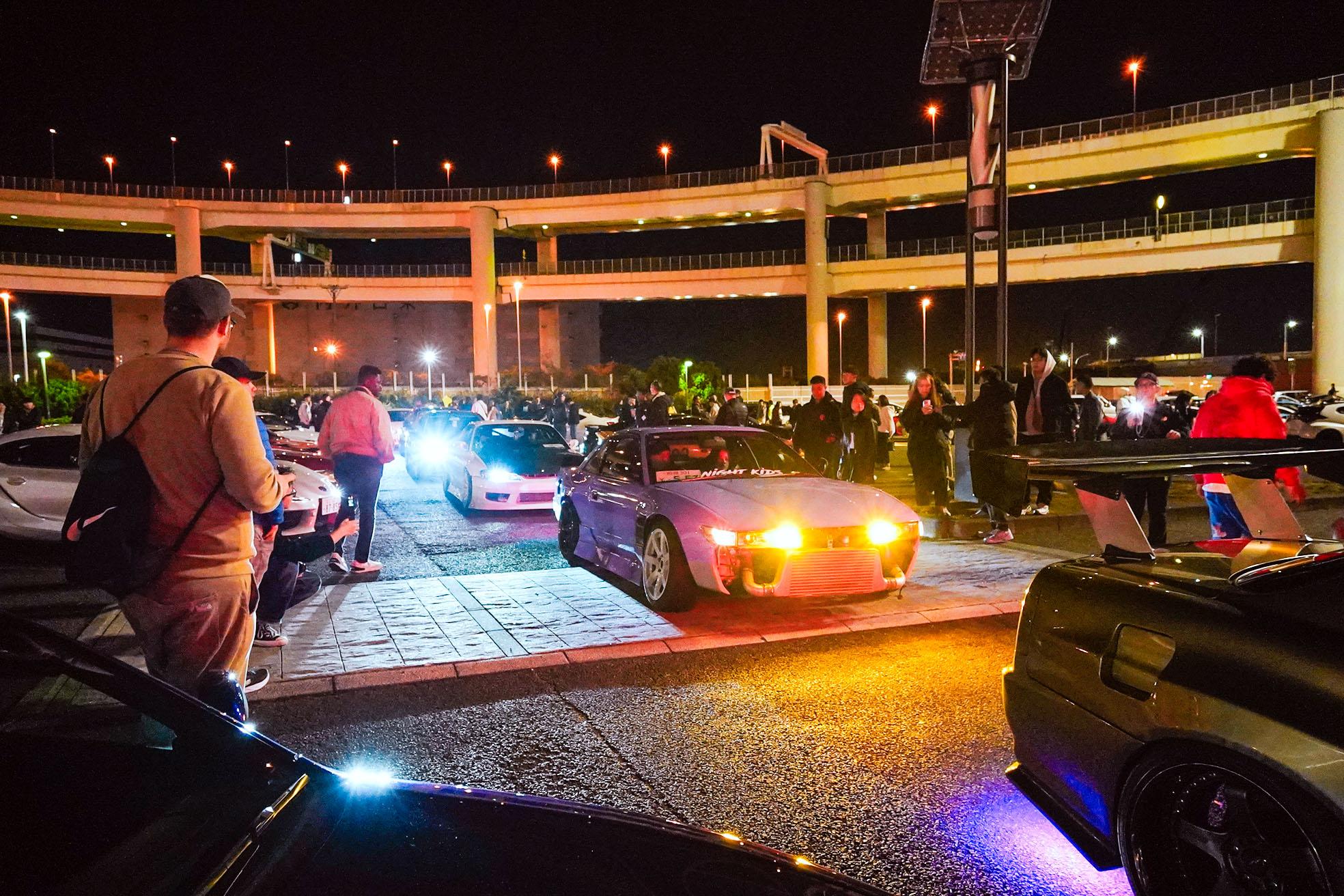
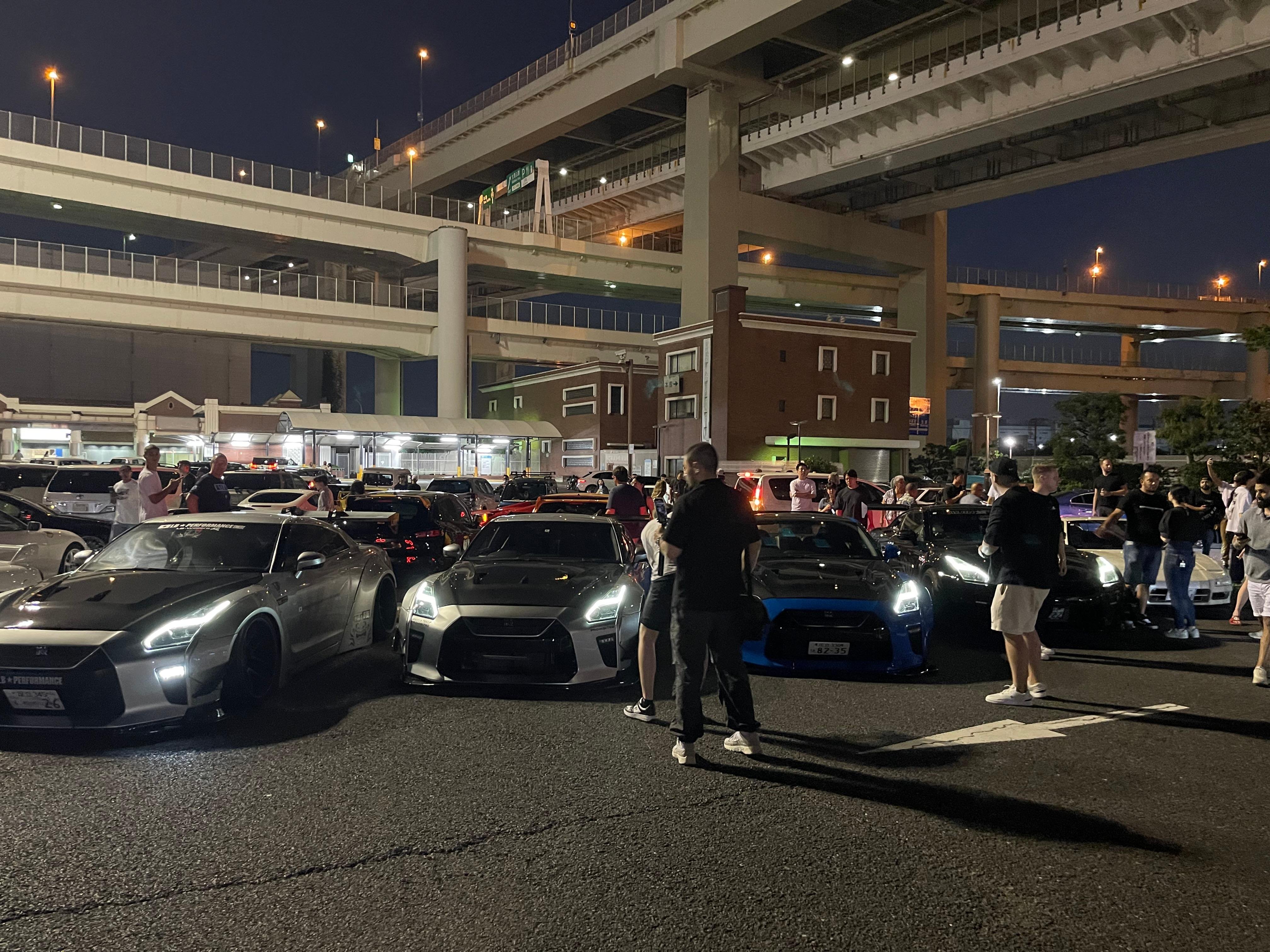
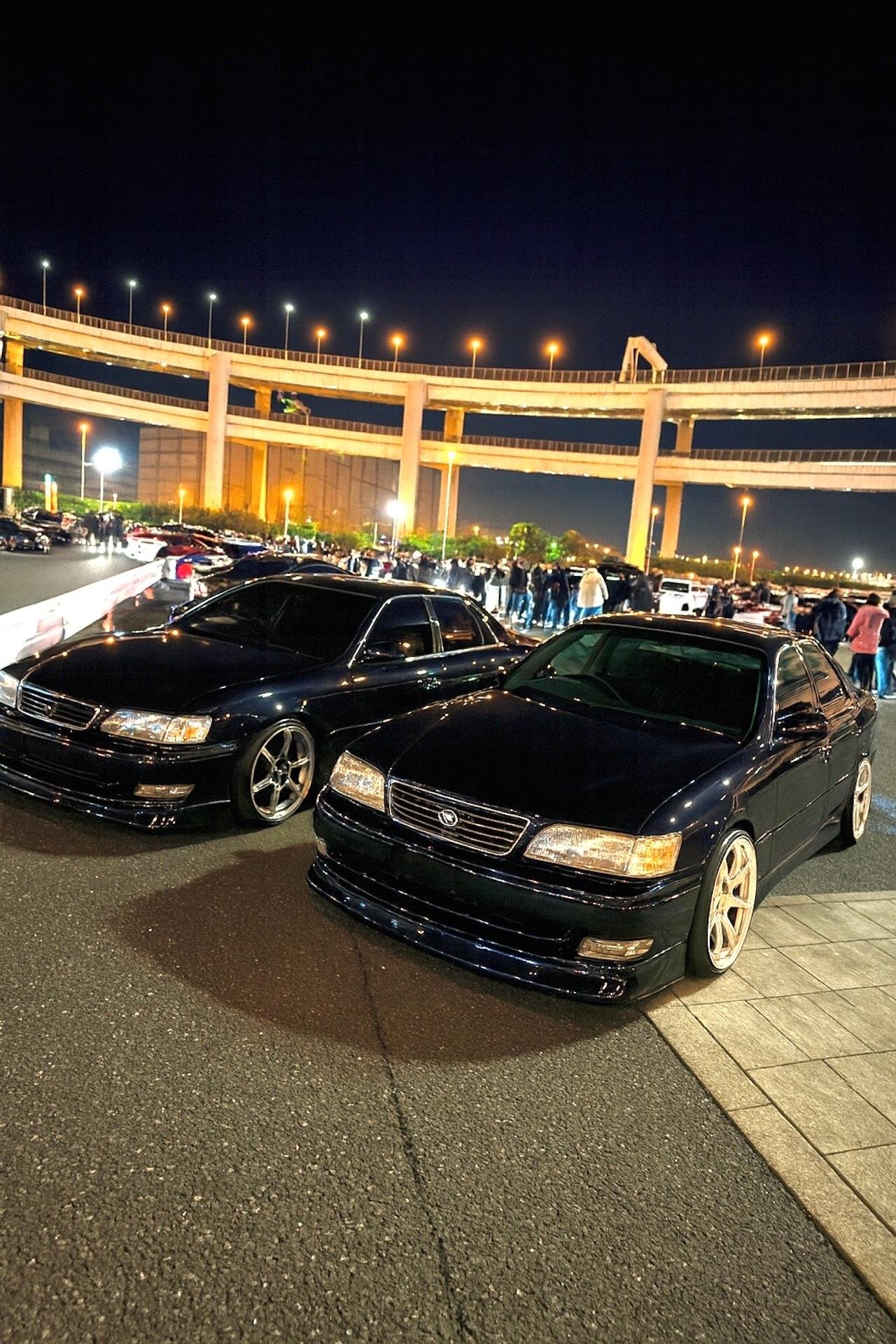
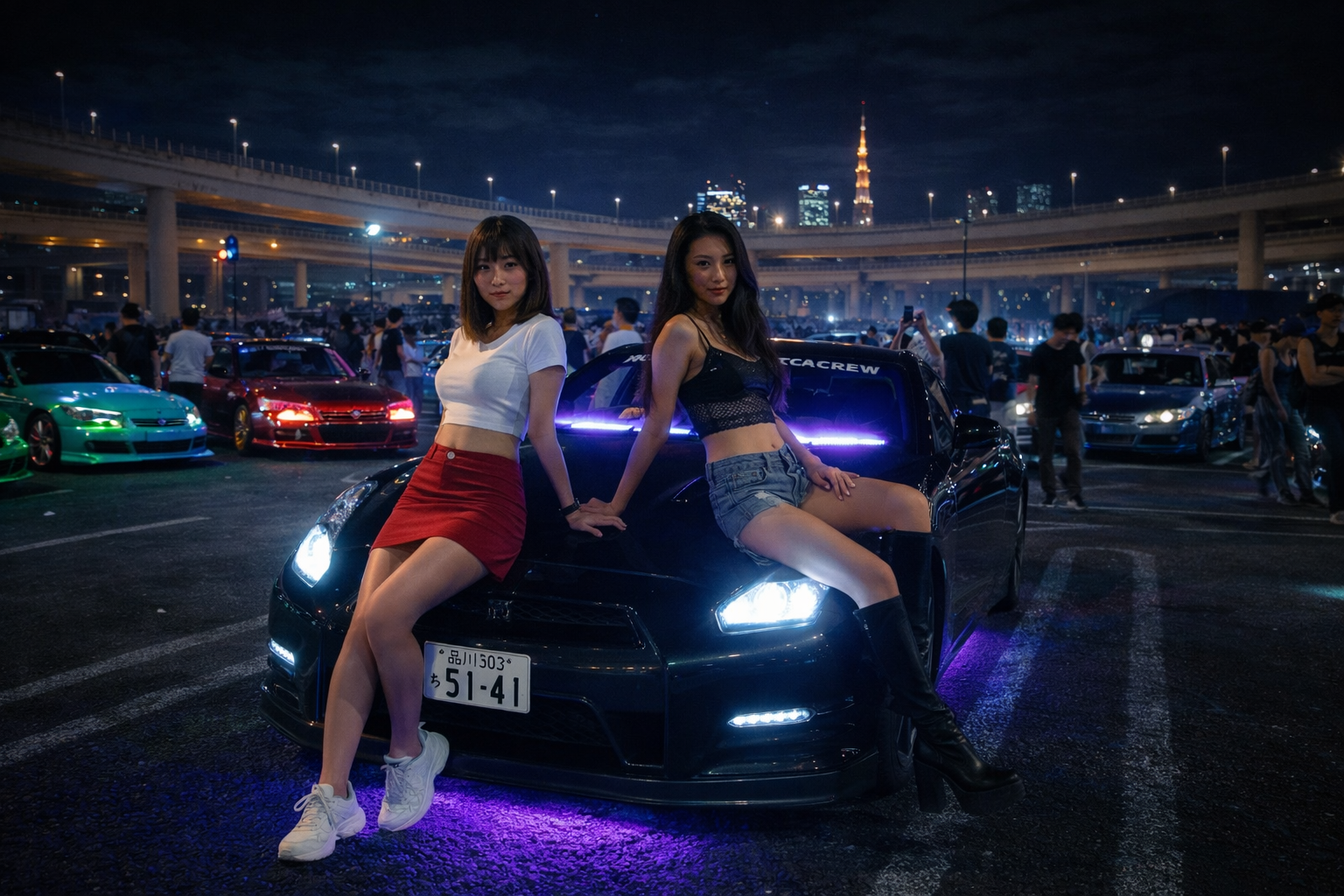
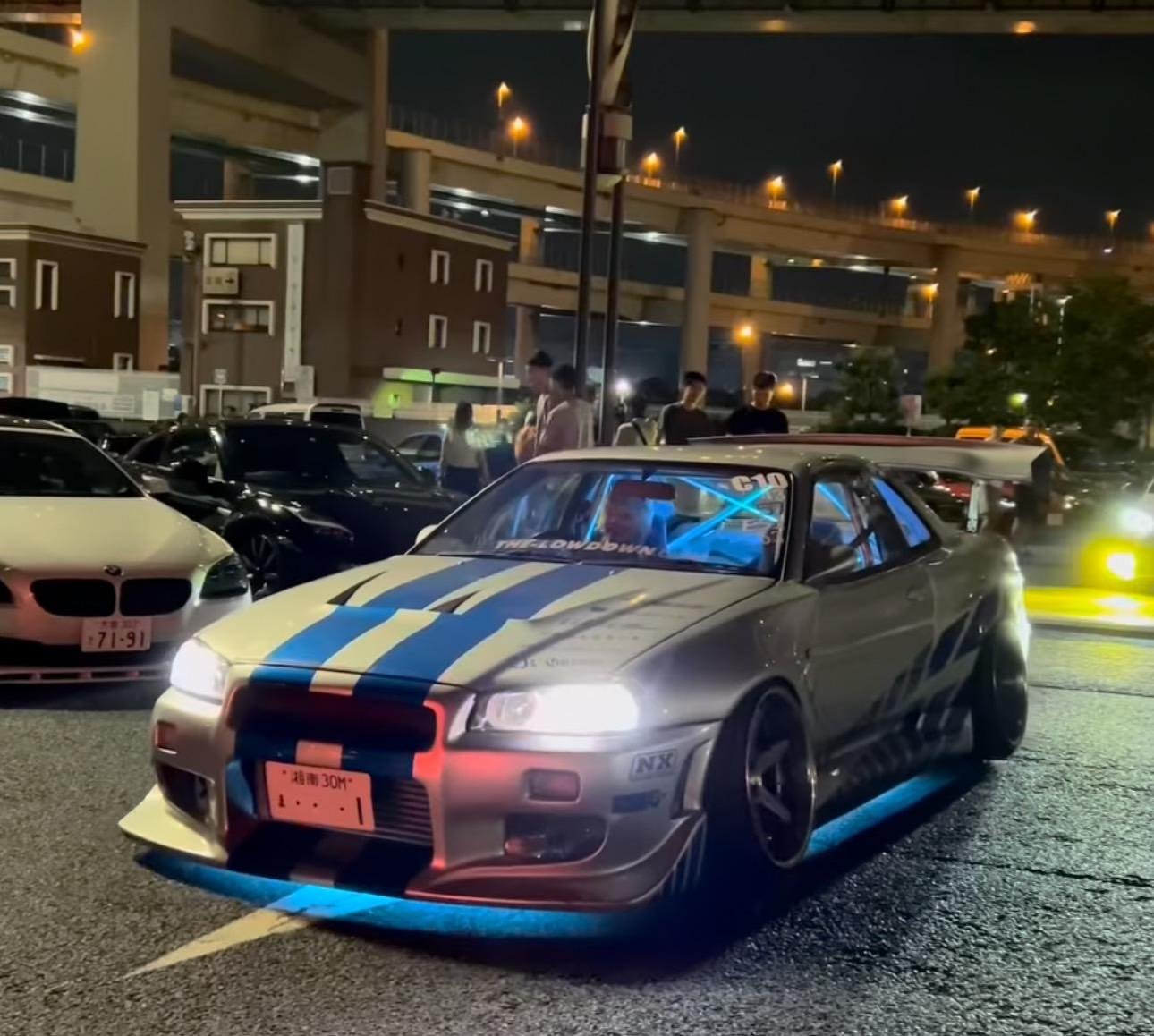
Compare all 83 Daikoku PA tours, filterable by price, rating, language and car →
Click a column header to sort. "Unit" matters: some of these price per person and some per group, so the cheapest headline number is not always the cheapest night.
| Tour | From | Unit | Rating | Reviews |
|---|---|---|---|---|
| Tokyo: Daikoku JDM Car Meet & Night Car Culture Tour | $107 | per person | ★ 4.8 | 651 |
| Tokyo: Legendary JDM CAR Daikoku Underground Meetup Tour | $100 | per person | ★ 4.9 | 446 |
| Daikoku: Join a Car Club and Experience Japan’s Auto Scene | $128 | per person | ★ 4.9 | 439 |
| Tokyo: Go Daikoku PA – Fast & Furious 3 Sports Car Meetup | $59 | per person | ★ 4.6 | 416 |
| Tokyo Drift: Daikoku PA Supreme Car Experience 大黒PA | $64 | per person | ★ 4.7 | 414 |
| Tokyo & Daikoku: Ultimate 4 hour Car Meet & JDM Culture Tour | $132 | per person | ★ 5 | 70 |
| Ride JDM Car to the Daikoku CarMeet(R34, Evo9, Silvia, GR86) | $113 | per person | ★ 5 | 54 |
| Tokyo Night Cruise JDM Culture Tour include stop at Daikoku | $124 | per person | ★ 4.8 | 58 |
| Daikoku Parking Area : JDM car meet tour by a local Japanese | $124 | per person | ★ 4.5 | 8 |
| 【JZX100】Daikoku Parking Car Meet & JDM Culture Tour | $156 | per person | ★ 4.6 | 4 |
| JDM CAR MEET EXPERIENCE 630hp GTR R35 | $220 | per person | ★ 5 | 19 |
| Tokyo: Daikoku Car Meet Tour with Hotel Pickup | $277 | per group up to 3 | ★ 4.9 | 38 |
Prices are GetYourGuide starting prices in USD at the time of compilation and move with season, currency and option selected. Verify on the booking page before committing.
An informal, unorganised gathering of modified cars in a public space — most famously Daikoku Futo PA, an expressway service area in Yokohama on the Shuto Expressway Bayshore Route. There is no organiser, no ticket, no start time and no guest list. Cars turn up, park, talk, and leave. It is closer to a hobbyist car park than to an event, and that is exactly why it can evaporate on any given night.
Friday and Saturday evenings are the reliable window at Daikoku PA, with cars building from roughly 19:00 JST. Sunday afternoons draw a different, calmer daytime crowd. Weeknights see regulars only. Turnout falls sharply in rain and in the December–February cold. New Year's Day is the one date in the calendar that runs regardless of weather.
No. Daikoku PA sits inside the expressway system and has no train station, no bus route and no legal pedestrian entrance. Walking in is both illegal and dangerous, and climbing the perimeter fence is one of the specific tourist behaviours that triggered police crackdowns. If you do not have a car and a driving licence valid in Japan, a booked ride-along tour is the only realistic way in.
It is a working rest area on a live expressway, and when the car population exceeds what the lot can hold, the operator and police close the entrance ramp to restore normal use. Two operators selling tours to the site state in their own booking conditions that the parking area is frequently closed from around 19:00 on Friday and Saturday nights. Closures are also used as a crowd-control response to trespassing, blocked EV chargers and disruptive driving.
No — and unlike most car-meet etiquette, this one has a statute behind it. Article 71, item (v)-3 of Japan's Road Traffic Act obliges a driver not to "suddenly put the motor vehicle or motorized bicycle in motion, suddenly increase its speed, or increase its engine speed without transferring the power of the engine to its wheels in a manner that makes a noise causing an extreme nuisance to others, without a legitimate reason for doing so." That last clause is the anti-revving provision. Guests who ask a driver to rev for a video are asking them to break it.
Among the 12 explicitly car-meet-focused GetYourGuide products on this page, starting prices run from $59 to $277. The lower band is a shared seat on a fixed route; the upper band is a private vehicle with hotel pickup. Daikoku PA itself charges nothing — it is a free public rest area, and you are paying purely for transport, a driver who knows the scene, and the ability to get back out again.
Getting dropped off is the easy half. Getting out is the problem: taxis and rideshare do not cruise an expressway rest area looking for fares, there is no pedestrian exit, and phone reception plus a language barrier at 23:00 makes an unplanned pickup a genuinely bad situation. Every operator we looked at includes the return leg for this reason.
No, but it is the one with critical mass. Tatsumi PA on the Wangan route runs later and smaller, Umihotaru PA out on the Aqua-Line is a common fallback when Daikoku is closed, and the big aftermarket retailers — Autobacs Shinonome and Up Garage Machida — function as informal daytime meeting points and appear on most tour itineraries.
JDM self-drive & rental in Tokyo · All 83 Daikoku PA tours · 29 operators compared · R34 GT-R tours · R35 GT-R tours · RX-7 tours · Full etiquette & safety guide
About this page. The 12 tours listed are the subset of our 83-product Daikoku PA set whose GetYourGuide listings are built around the car meet itself. Prices, ratings, review counts, languages and cancellation terms come from that compiled listing data; the per-person / per-group unit is reproduced as the operator publishes it. Nothing on this page quotes a price or rating that is not in that dataset.
Sources for the general claims. Japan's Road Traffic Act Article 71 item (v)-3 is quoted from the official English translation published by the Japanese government's Japanese Law Translation service. The account of the 2023 enforcement wave, the fence-climbing and the blocked EV chargers is from The Drive's November 2023 report, which credits YouTuber Sam Lucas (Sammit). The closure-timing statements are quoted from two operators' own published booking conditions on GetYourGuide.
What we could not verify. We found no official, published schedule of Daikoku PA closures — the operator and police do not publish one, and we are not aware of any source that does. Any specific closure time you read anywhere, including the ~19:00 figure above, is an operator's working assumption rather than a posted rule. Similarly, we have not found an authoritative count of vehicles attending on a typical night; every figure in circulation is an estimate, so we do not print one.
This page contains affiliate links: when you book through "Check availability", GetYourGuide pays us a commission at no extra cost to you. Selection and ranking are independent.
Last updated: . ← Back to destination guide